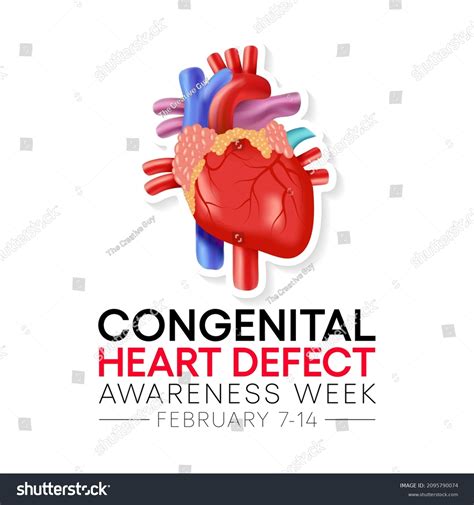
Congenital heart disease (CHD) is a type of defect in the structure of the heart that is present at birth. It is one of the most common types of birth defects, affecting approximately 1 in every 100 babies born worldwide. CHD can range from mild to severe and can affect various parts of the heart, including the walls, valves, and blood vessels. Despite its prevalence, CHD often goes undiagnosed or misdiagnosed, highlighting the need for increased awareness and education about this condition.
According to the Centers for Disease Control and Prevention (CDC), CHD is the leading cause of birth defect-related deaths worldwide. In the United States alone, it is estimated that over 1 million adults are living with CHD, with many more being diagnosed every year. The exact causes of CHD are still not fully understood, but research suggests that a combination of genetic and environmental factors may contribute to its development. For instance, certain genetic conditions, such as Down syndrome, can increase the risk of CHD, while environmental factors like maternal diabetes and obesity during pregnancy may also play a role.
Key Points
- Congenital heart disease affects approximately 1 in every 100 babies born worldwide.
- CHD can range from mild to severe and can affect various parts of the heart.
- The exact causes of CHD are still not fully understood, but genetic and environmental factors may contribute to its development.
- Early diagnosis and treatment are critical for improving outcomes and reducing the risk of complications.
- Awareness and education about CHD are essential for promoting early detection and improving patient outcomes.
Types and Symptoms of Congenital Heart Disease
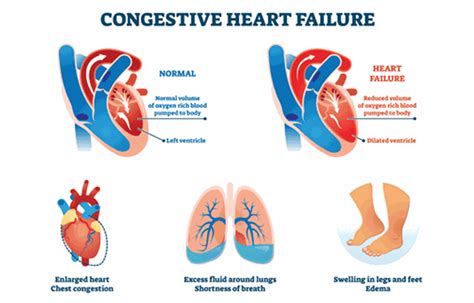
There are several types of CHD, each with distinct symptoms and characteristics. Some of the most common types include atrial septal defects (ASD), ventricular septal defects (VSD), tetralogy of Fallot (TOF), and transposition of the great arteries (TGA). Symptoms of CHD can vary depending on the type and severity of the defect, but common signs include shortness of breath, fatigue, pale or blue-tinged skin, and poor weight gain. In some cases, CHD may not produce any noticeable symptoms, making it essential to rely on diagnostic tests like echocardiograms and cardiac catheterizations for accurate diagnosis.
Diagnosis and Treatment of Congenital Heart Disease
Diagnosing CHD typically involves a combination of physical examinations, medical history, and diagnostic tests. Fetal echocardiography, which uses ultrasound technology to examine the fetal heart, can detect CHD during pregnancy. After birth, a pediatric cardiologist may use various tests, including chest X-rays, electrocardiograms (ECG), and cardiac magnetic resonance imaging (MRI), to confirm the diagnosis. Treatment for CHD depends on the type and severity of the defect, as well as the individual’s overall health. In some cases, surgery or other interventions may be necessary to repair or replace affected heart structures.
| Type of CHD | Description | Symptoms |
|---|---|---|
| Atrial Septal Defect (ASD) | Hole in the wall between the heart's upper chambers | Shortness of breath, fatigue, pale skin |
| Ventricular Septal Defect (VSD) | Hole in the wall between the heart's lower chambers | Shortness of breath, fatigue, poor weight gain |
| Tetralogy of Fallot (TOF) | Combination of four heart defects, including VSD, pulmonary stenosis, right ventricular hypertrophy, and an overriding aorta | Blue-tinged skin, shortness of breath, fatigue |
| Transposition of the Great Arteries (TGA) | Reversal of the two main arteries that carry blood away from the heart | Blue-tinged skin, shortness of breath, poor weight gain |

Living with Congenital Heart Disease
While CHD can pose significant challenges, many individuals with the condition lead active and fulfilling lives. With proper management and care, people with CHD can participate in various activities, including sports and exercise, and maintain a high quality of life. However, it’s crucial to follow a healthcare provider’s recommendations and attend regular check-ups to monitor the condition and prevent complications. Additionally, joining support groups and connecting with others who have CHD can provide valuable emotional support and help individuals cope with the physical and emotional aspects of the condition.
Coping with Emotional and Psychological Aspects of Congenital Heart Disease
Living with CHD can also have emotional and psychological implications, particularly for children and adolescents. Feelings of anxiety, depression, and isolation are common among individuals with CHD, highlighting the need for comprehensive care that addresses both physical and emotional needs. Healthcare providers, families, and support groups can play a vital role in providing emotional support and promoting coping strategies, such as stress management, self-care, and social connections.
What are the most common types of congenital heart disease?
+The most common types of congenital heart disease include atrial septal defects (ASD), ventricular septal defects (VSD), tetralogy of Fallot (TOF), and transposition of the great arteries (TGA).
How is congenital heart disease diagnosed?
+Congenital heart disease is typically diagnosed using a combination of physical examinations, medical history, and diagnostic tests, including fetal echocardiography, chest X-rays, electrocardiograms (ECG), and cardiac magnetic resonance imaging (MRI).
What are the treatment options for congenital heart disease?
+Treatment for congenital heart disease depends on the type and severity of the defect, as well as the individual's overall health. In some cases, surgery or other interventions may be necessary to repair or replace affected heart structures.
Can individuals with congenital heart disease lead active and fulfilling lives?
+Yes, many individuals with congenital heart disease can lead active and fulfilling lives with proper management and care. It's essential to follow a healthcare provider's recommendations and attend regular check-ups to monitor the condition and prevent complications.
What emotional and psychological support is available for individuals with congenital heart disease?
+Healthcare providers, families, and support groups can provide valuable emotional support and promote coping strategies, such as stress management, self-care, and social connections, to help individuals with congenital heart disease cope with the emotional and psychological aspects of the condition.
Congenital heart disease is a complex and multifaceted condition that requires comprehensive care and support. By increasing awareness and education about CHD, we can promote early detection, improve treatment outcomes, and enhance the quality of life for individuals affected by this condition. As healthcare professionals, families, and individuals, we must work together to address the physical, emotional, and psychological aspects of CHD and provide the best possible care for those affected.
Meta description suggestion: “Learn about congenital heart disease, its types, symptoms, diagnosis, and treatment options. Discover how to live with CHD and find emotional support and resources.” (150 characters)