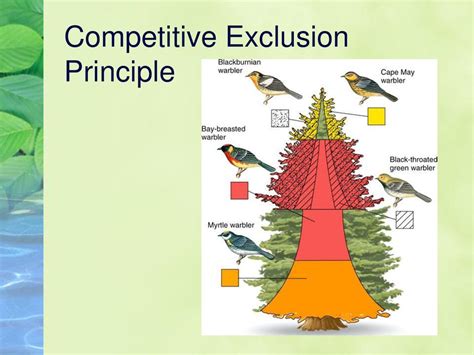
Competitive exclusion, a fundamental concept in ecology, refers to the phenomenon where one species outcompetes another for resources, leading to the exclusion of the less competitive species from the environment. This principle, first introduced by Russian ecologist Georgy Gause in the 1930s, has been extensively studied and observed in various ecosystems, from microbial communities to complex forest ecosystems. Understanding how competitive exclusion works is crucial for managing ecosystems, conserving biodiversity, and predicting the outcomes of species interactions. In this article, we will delve into five ways competitive exclusion operates, exploring its mechanisms, examples, and implications for ecological balance and biodiversity.
Key Points
- Competitive exclusion can occur through direct competition for resources such as light, water, and nutrients.
- Indirect competition, where one species modifies the environment in a way that makes it less suitable for another, is another mechanism of competitive exclusion.
- Species can also be excluded through allelopathy, where one species releases chemicals that inhibit the growth of another.
- Competition for space, particularly in habitats with limited availability, can lead to the exclusion of less competitive species.
- Lastly, the introduction of invasive species can lead to competitive exclusion by outcompeting native species for resources and habitat.
Direct Competition for Resources
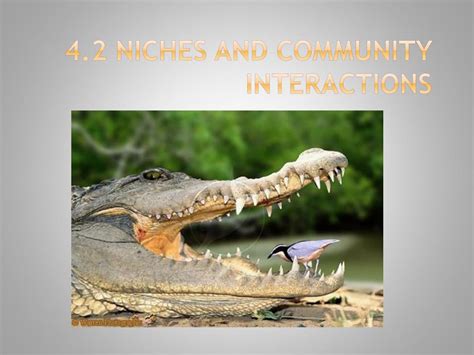
One of the most straightforward ways competitive exclusion works is through direct competition for resources such as light, water, nutrients, and space. In environments where these resources are limited, species that are more efficient at capturing and utilizing them will outcompete those that are less efficient. For example, in a forest ecosystem, taller trees can outcompete shorter ones for sunlight, leading to the exclusion of the shorter trees over time. Similarly, in aquatic ecosystems, species that are better at absorbing nutrients from the water can outgrow and outcompete those that are less efficient, potentially leading to their exclusion.
Example: Phytoplankton Competition
A classic example of direct competition can be observed among phytoplankton in aquatic ecosystems. Different species of phytoplankton compete for nutrients such as nitrogen and phosphorus. Those species that are more efficient at absorbing these nutrients can grow faster and outcompete other species, leading to their dominance in the ecosystem and potentially the exclusion of less competitive species.
Indirect Competition
Indirect competition is another mechanism through which competitive exclusion can occur. This happens when one species modifies the environment in a way that makes it less suitable for another species, without directly competing for the same resources. For instance, some plant species can change the soil chemistry, making it more or less hospitable to other plant species. This alteration of the environment can lead to the exclusion of species that are less tolerant of the changed conditions.
Example: Soil Modification by Plants
Certain plants, like those in the genus Quercus (oaks), can release chemicals into the soil that inhibit the growth of other plants. This process, known as allelopathy, is a form of indirect competition where the modification of the soil environment by one species (in this case, the oak trees) makes it less favorable for the growth and survival of other species.
Allelopathy
Allelopathy, as mentioned, is the process by which one species releases chemicals that can inhibit the growth, survival, or reproduction of another species. This is a specific form of indirect competition that can lead to competitive exclusion. Allelopathic interactions can occur between plants, microorganisms, and even between different kingdoms of organisms. For example, some bacteria release compounds that inhibit the growth of competing bacterial species, while certain plants release chemicals into the soil that can prevent other plants from germinating or growing.
Example: Allelopathic Effects of Arabidopsis thaliana
Arabidopsis thaliana, a small flowering plant, has been shown to release chemicals into the soil that can inhibit the growth of other plants. This allelopathic effect can give Arabidopsis a competitive advantage, allowing it to outcompete other plant species for space and resources, potentially leading to their exclusion from the ecosystem.
Competition for Space
Competition for physical space is another critical factor in competitive exclusion. In environments where space is limited, such as in dense forests or coral reefs, species that are more efficient at occupying and defending space can outcompete those that are less efficient. This competition can occur for resources such as nesting sites, roosting sites, or even for territory in the case of territorial species.
Example: Coral Reef Competition
Invasive Species and Competitive Exclusion
The introduction of invasive species can also lead to competitive exclusion. Invasive species are non-native species that have been introduced to an ecosystem, often by human activity, and can outcompete native species for resources and habitat. Because invasive species are often better adapted to the new environment or have fewer natural predators, they can rapidly outcompete native species, leading to their decline or exclusion from the ecosystem.
Example: Zebra Mussels in the Great Lakes
The introduction of zebra mussels to the Great Lakes is a stark example of how invasive species can lead to competitive exclusion. Zebra mussels, originally from Europe, were introduced to the Great Lakes in the 1980s and have since outcompeted native mussel species for food and habitat, altering the ecosystem and leading to the decline of native species.
| Type of Competition | Example |
|---|---|
| Direct Competition | Phytoplankton competing for nutrients |
| Indirect Competition | Soil modification by plants |
| Allelopathy | Allelopathic effects of Arabidopsis thaliana |
| Competition for Space | Coral reef competition |
| Invasive Species | Zebra mussels in the Great Lakes |

What is competitive exclusion, and why is it important in ecology?
+Competitive exclusion refers to the process by which one species outcompetes another for resources, leading to the exclusion of the less competitive species. It's important because it helps explain how species interact and how ecosystems are structured, which is crucial for conservation and management efforts.
Can competitive exclusion lead to the extinction of species?
+Yes, competitive exclusion can potentially lead to the extinction of species if the excluded species is unable to survive or reproduce in the presence of the competing species. This is particularly concerning in the context of invasive species and climate change, which can alter the competitive landscape of ecosystems.
How can understanding competitive exclusion help in conservation efforts?
+Understanding competitive exclusion can help conservationists predict how changes in ecosystems might affect species interactions and biodiversity. This knowledge can be used to develop strategies that minimize competitive exclusion, such as controlling invasive species, restoring habitats, and managing resources in a way that promotes coexistence among species.
In conclusion, competitive exclusion is a complex and multifaceted concept that underlies many of the interactions within ecosystems. Through direct competition, indirect competition, allelopathy, competition for space, and the introduction of invasive species, competitive exclusion can shape the structure and diversity of ecosystems. As we move forward in an era marked by rapid environmental change, understanding these mechanisms will be crucial for managing ecosystems effectively and preserving biodiversity.