The Cold War was a period of intense ideological rivalry between the United States and the Soviet Union, marked by a pervasive use of propaganda to shape public opinion and influence international relations. Both sides employed a range of tactics to promote their respective ideologies and undermine those of their adversaries. This article will examine five significant Cold War propaganda tactics, highlighting their significance, impact, and lasting legacy.
1. Radio Broadcasting and the “Voice of America”

The United States launched the “Voice of America” (VOA) in 1942, a radio broadcasting service aimed at countering Soviet propaganda and promoting American values. The VOA transmitted news, music, and cultural programs to audiences behind the Iron Curtain, providing an alternative to state-controlled media. By the 1950s, the VOA had become a key instrument of U.S. propaganda, with broadcasts in over 40 languages. The Soviet Union responded with its own radio propaganda efforts, including the “Radio Moscow” service, which promoted communist ideology and criticized Western capitalism.
Technical Aspects of Radio Propaganda
The technical aspects of radio broadcasting played a crucial role in the dissemination of propaganda. Both the United States and the Soviet Union invested heavily in developing high-power transmitters and sophisticated broadcasting equipment. The use of medium-wave and short-wave frequencies allowed broadcasts to reach audiences across vast distances, often bypassing local censorship and jamming efforts. The development of radio propaganda also led to the creation of specialized units, such as the U.S. Information Agency’s (USIA) “Radio Liberty” and “Radio Free Europe,” which targeted specific regions and populations.
| Radio Broadcasting Characteristics | United States | Soviet Union |
|---|---|---|
| Primary Frequency | Medium-wave (535-1605 kHz) | Short-wave (2-30 MHz) |
| Transmitter Power | Up to 500 kW | Up to 1 MW |
| Target Audience | Eastern Europe, Soviet Union | Western Europe, United States |
2. Poster Art and Visual Propaganda

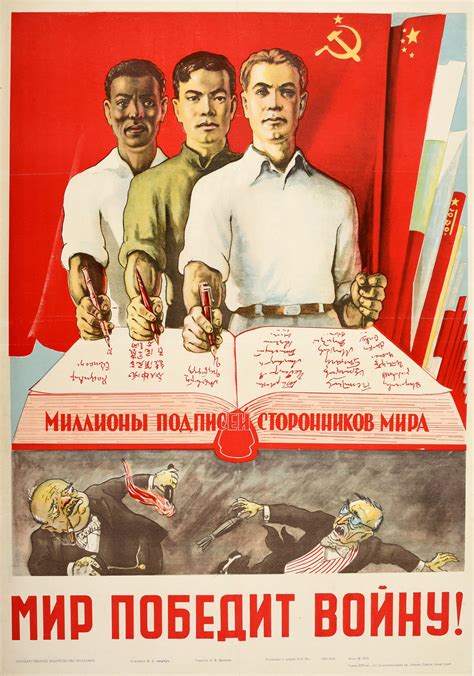
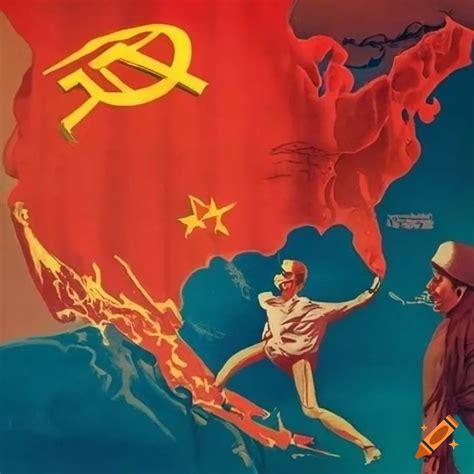
Visual propaganda played a significant role in the Cold War, with both sides employing poster art, cartoons, and other forms of visual media to convey their messages. Soviet posters often featured bold, colorful graphics and emphasized the virtues of communism, while American posters typically promoted the values of freedom, democracy, and consumerism. The use of visual propaganda allowed both sides to tap into the emotional and psychological aspects of their target audiences, creating a lasting impact on public opinion.
Characteristics of Effective Visual Propaganda
Effective visual propaganda relies on a combination of factors, including simplicity, clarity, and emotional resonance. Both the United States and the Soviet Union recognized the importance of creating visually appealing and memorable images, often using symbolism, metaphor, and other literary devices to convey complex ideological messages. The use of poster art and visual propaganda also highlights the significance of cultural context, with both sides drawing on local artistic traditions and stylistic conventions to create authentic and relatable messages.
Key Points
- The use of radio broadcasting as a propaganda tool during the Cold War highlights the importance of technological innovation in shaping the dissemination of information.
- Visual propaganda played a significant role in the Cold War, with both sides employing poster art, cartoons, and other forms of visual media to convey their messages.
- The Soviet Union's use of censorship and media control was a key aspect of its propaganda efforts, allowing the state to shape public opinion and suppress dissenting voices.
- The United States' use of cultural diplomacy and exchange programs was a significant aspect of its propaganda efforts, promoting American values and ideology through people-to-people diplomacy.
- The legacy of Cold War propaganda continues to shape contemporary international relations, with many of the tactics and strategies developed during this period still in use today.
3. Censorship and Media Control
The Soviet Union’s use of censorship and media control was a key aspect of its propaganda efforts, allowing the state to shape public opinion and suppress dissenting voices. The Soviet government tightly controlled the media, restricting access to information and limiting the dissemination of opposing viewpoints. This created a highly controlled environment, where the state could promote its ideology and suppress alternative perspectives. In contrast, the United States promoted the values of a free press and open communication, often criticizing the Soviet Union’s restrictive media policies.
Comparative Analysis of Media Control
A comparative analysis of media control in the United States and the Soviet Union during the Cold War highlights the significant differences in their approaches to information dissemination. While the Soviet Union relied on censorship and state control, the United States promoted the values of a free press and open communication. This dichotomy reflects fundamental differences in their respective ideologies, with the Soviet Union prioritizing state control and the United States emphasizing individual freedom and autonomy.
| Media Control Characteristics | United States | Soviet Union |
|---|---|---|
| Primary Mechanism | Free market, deregulation | State control, censorship |
| Access to Information | Unrestricted, diverse sources | Restricted, state-approved sources |
| Media Ownership | Private, diverse ownership | State-owned, centralized control |
4. Cultural Diplomacy and Exchange Programs
The United States’ use of cultural diplomacy and exchange programs was a significant aspect of its propaganda efforts, promoting American values and ideology through people-to-people diplomacy. Programs such as the Fulbright Scholarship and the International Visitor Leadership Program allowed individuals from around the world to experience American culture firsthand, fostering greater understanding and appreciation of American values. The Soviet Union responded with its own cultural exchange programs, including the “Soviet-American Friendship Society,” which promoted Soviet culture and ideology abroad.
Impact of Cultural Diplomacy
The impact of cultural diplomacy on international relations during the Cold War was significant, with both the United States and the Soviet Union recognizing the importance of promoting their respective cultures and ideologies abroad. Cultural exchange programs allowed individuals to experience different cultures and ways of life, fostering greater understanding and empathy. However, cultural diplomacy also raised important questions about the role of propaganda in shaping public opinion, highlighting the need for nuanced and balanced approaches to international communication.
5. Disinformation and Active Measures

Disinformation and active measures were key components of Soviet propaganda efforts, involving the deliberate spread of false or misleading information to shape public opinion and influence international relations. The Soviet Union’s use of disinformation and active measures was often covert, with the state using proxy agents and front organizations to promote its ideology and undermine its adversaries. The United States responded with its own counter-propaganda efforts, including the use of fact-checking and media analysis to expose Soviet disinformation.
Characteristics of Disinformation Campaigns
Disinformation campaigns often rely on a combination of psychological manipulation, social influence, and technological exploitation. Both the United States and the Soviet Union recognized the importance of creating believable and persuasive messages, often using emotional appeals and rhetorical devices to shape public opinion. The use of disinformation and active measures also highlights the significance of cybersecurity and information security, with both sides seeking to protect their respective information systems and prevent the dissemination of false or misleading information.
What was the primary goal of Soviet propaganda during the Cold War?
+The primary goal of Soviet propaganda during the Cold War was to promote communist ideology and undermine the values and institutions of its adversaries, particularly the United States.
How did the United States respond to Soviet propaganda efforts during the Cold War?
+The United States responded to Soviet propaganda efforts during the Cold War through a range of measures, including the use of radio broadcasting, cultural diplomacy, and counter-propaganda efforts.
What was the significance of the "Voice of America" radio broadcasting service during the Cold War?
+The "Voice of America" radio broadcasting service was a significant aspect of U.S. propaganda efforts during the Cold War, providing an alternative to state-controlled media and promoting American values and ideology to audiences behind the Iron Curtain.
The legacy of Cold War propaganda continues to shape contemporary international relations, with many of the tactics and strategies developed during this period still in use today. The use of radio broadcasting, visual propaganda, censorship, cultural diplomacy, and disinformation all highlight the ongoing importance of information and communication in shaping public opinion and influencing international relations. As the world continues to navigate the complexities of the digital age, it is essential to recognize the enduring significance of Cold War propaganda tactics and to develop nuanced and balanced approaches to international communication.