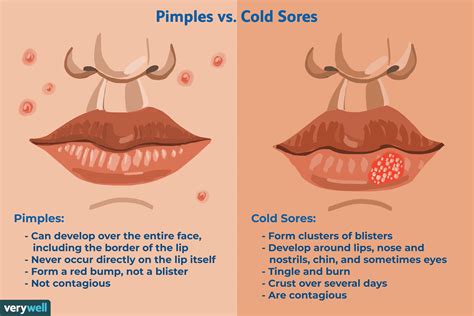
Cold sores and pimples are two common skin lesions that can be easily mistaken for one another due to their similar appearance. However, they have distinct causes, symptoms, and treatments. Understanding the differences between these two conditions is crucial for proper diagnosis and management. In this article, we will delve into the world of cold sores and pimples, exploring their characteristics, causes, and treatment options.
Characteristics of Cold Sores and Pimples
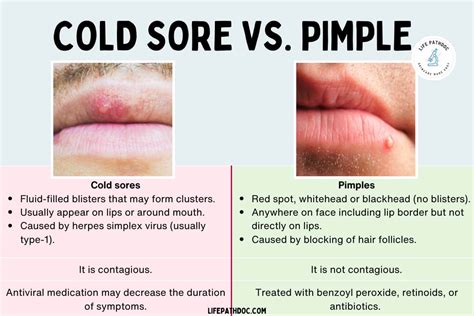
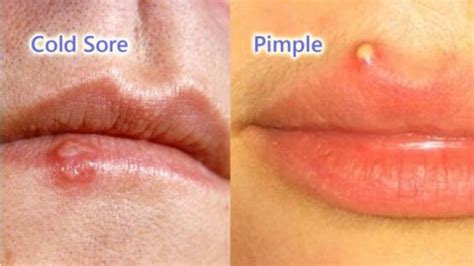
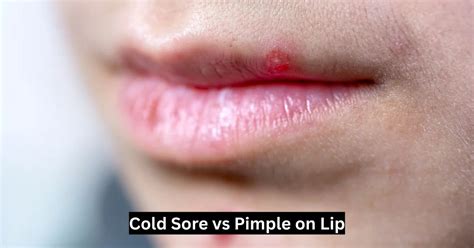
Cold sores, also known as fever blisters, are small, fluid-filled blisters that appear on the lips, mouth, or around the oral cavity. They are caused by the herpes simplex virus type 1 (HSV-1) and are highly contagious. Cold sores typically start as a tingling or burning sensation, followed by the appearance of small, red, and swollen blisters. These blisters eventually rupture, forming a crust that can take several days to heal.
Pimples, on the other hand, are small, inflamed bumps that occur when the skin's oil glands become clogged with dead skin cells, bacteria, and other debris. They can appear anywhere on the body, but are most common on the face, neck, and back. Pimples can range in severity from mild, non-inflammatory lesions to more severe, pus-filled cysts.
Causes of Cold Sores and Pimples
Cold sores are caused by the herpes simplex virus type 1 (HSV-1), which is a highly contagious virus that can be spread through skin-to-skin contact, kissing, or sharing utensils and personal items. The virus can lie dormant in the nerve cells for years, reactivating periodically due to various triggers such as stress, fatigue, or exposure to sunlight.
Pimples, as mentioned earlier, are caused by the clogging of the skin's oil glands. This can occur due to a variety of factors, including hormonal fluctuations, genetics, poor skin care, and environmental factors such as pollution and humidity. Bacteria, particularly Propionibacterium acnes (P. acnes), can also contribute to the development of pimples by feeding on the excess oil and dead skin cells, leading to inflammation and infection.
| Condition | Cause | Symptoms |
|---|---|---|
| Cold Sore | Herpes Simplex Virus Type 1 (HSV-1) | Tingling, burning sensation, small, red, and swollen blisters |
| Pimple | Clogged oil glands, bacteria, hormonal fluctuations | Small, inflamed bump, pus-filled cysts, redness, and swelling |
Treatment Options and Prevention Strategies
Treatment for cold sores typically involves antiviral medications such as acyclovir, valacyclovir, or famciclovir, which can help reduce the severity and duration of symptoms. Topical creams and ointments, such as docosanol or lidocaine, can also provide relief from pain and discomfort. In addition to these treatments, maintaining good hygiene, avoiding triggers, and using sunscreen can help prevent future outbreaks.
Treatment for pimples depends on the severity of the condition. Mild cases can be managed with topical creams and gels containing benzoyl peroxide, salicylic acid, or sulfur. More severe cases may require oral antibiotics, hormonal treatments, or isotretinoin. Preventing pimples involves maintaining good skin hygiene, avoiding picking or squeezing the affected area, and using non-comedogenic products that won't clog pores.
Complications and Long-Term Effects
If left untreated, cold sores can lead to complications such as secondary bacterial infections, keratitis (inflammation of the cornea), and encephalitis (inflammation of the brain). Pimples can also lead to complications such as scarring, post-inflammatory hyperpigmentation, and emotional distress.
Key Points
- Cold sores and pimples are two distinct skin conditions with different causes and symptoms.
- Cold sores are caused by the herpes simplex virus type 1 (HSV-1), while pimples are caused by clogged oil glands and bacteria.
- Treatment for cold sores typically involves antiviral medications and topical creams, while treatment for pimples depends on the severity of the condition and may involve topical creams, oral antibiotics, or hormonal treatments.
- Preventing future outbreaks of cold sores and pimples involves maintaining good hygiene, avoiding triggers, and using sunscreen.
- Complications of cold sores and pimples can include secondary bacterial infections, scarring, and emotional distress.
In conclusion, while cold sores and pimples can appear similar, they require different treatment approaches and prevention strategies. By understanding the causes, symptoms, and treatment options for these conditions, individuals can take steps to manage their symptoms, prevent future outbreaks, and reduce the risk of complications.
What is the main difference between a cold sore and a pimple?
+The main difference between a cold sore and a pimple is the cause. Cold sores are caused by the herpes simplex virus type 1 (HSV-1), while pimples are caused by clogged oil glands and bacteria.
How can I prevent cold sores and pimples?
+Preventing cold sores and pimples involves maintaining good hygiene, avoiding triggers, and using sunscreen. For cold sores, avoiding stress, getting enough sleep, and using antiviral medications can also help prevent future outbreaks. For pimples, maintaining good skin hygiene, avoiding picking or squeezing the affected area, and using non-comedogenic products can help prevent future breakouts.
What are the complications of cold sores and pimples?
+Complications of cold sores can include secondary bacterial infections, keratitis, and encephalitis. Complications of pimples can include scarring, post-inflammatory hyperpigmentation, and emotional distress.