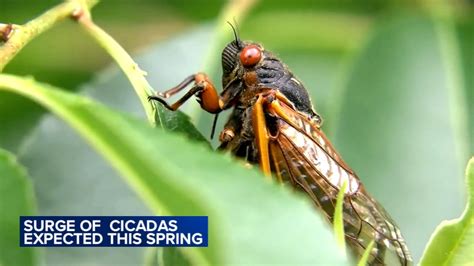
The state of Illinois is no stranger to the periodic emergence of cicadas, with the insect's distinctive sounds and impressive numbers making them a notable part of the region's ecosystem. As 2024 approaches, residents and visitors alike can expect to witness another significant emergence of these fascinating creatures. Cicadas, particularly those belonging to the genus Magicicada, are known for their complex life cycles, which involve prolonged periods of underground development followed by synchronized emergences. Illinois, with its diverse landscapes and climates, provides an ideal environment for various cicada species to thrive.
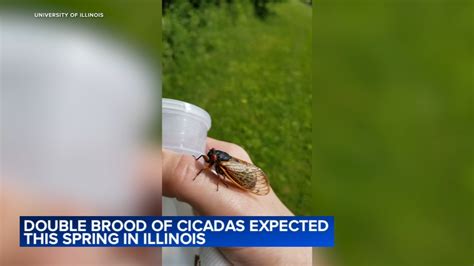
Historically, Illinois has been home to several broods of periodical cicadas, including Brood XIII, which last emerged in 2007 and is expected to reappear in 2024. This brood is one of the largest and most widespread, covering areas across the northern and central parts of the state. The emergence of Brood XIII is a significant event, not only because of the sheer numbers of cicadas involved but also due to the unique life cycle of these insects. Periodical cicadas spend 13 or 17 years underground as nymphs before emerging, molting, and then beginning their short-lived adult stage, during which they mate and lay eggs to start the cycle anew.
Key Points
- Illinois is expected to experience a significant emergence of periodical cicadas in 2024, primarily from Brood XIII.
- The state's diverse landscapes support various cicada species, with periodical cicadas being among the most notable due to their synchronized life cycles.
- Cicadas play a crucial role in the ecosystem, serving as a food source for numerous animals and contributing to nutrient cycling through their underground activities.
- The 2024 emergence will offer unique opportunities for scientific study, public education, and community engagement, highlighting the importance of these insects in Illinois' biodiversity.
- Residents and visitors can prepare for the emergence by learning about cicada biology, understanding the potential impacts on daily life, and appreciating the rare chance to witness this natural phenomenon.
Understanding Cicada Biology and Ecology
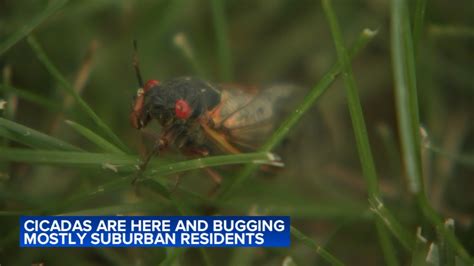
Cicadas are insects belonging to the family Cicadidae, with over 3,000 species worldwide. The periodical cicadas found in Illinois, specifically those of the genus Magicicada, are distinguished by their long life cycles and massive emergences. These cicadas spend most of their lives as nymphs, feeding on root fluids and slowly growing. As the emergence approaches, nymphs begin to move upward, eventually reaching the soil surface where they molt into adults. The adult stage is characterized by the development of wings, mating, and egg-laying, after which the adults die, marking the beginning of a new generation’s underground development.
Cicada Life Cycle and Emergence Patterns
The life cycle of periodical cicadas is a complex and highly synchronized process. For Brood XIII, the 13-year cycle means that these cicadas will emerge in massive numbers every 13 years, a phenomenon that has been observed and recorded for centuries. The emergence typically occurs in late spring, around May or June in Illinois, when soil temperatures reach a threshold that triggers the nymphs to move upward. The exact timing can vary based on weather conditions and geographical location within the state.
| Brood | Emergence Year | Expected Emergence Locations |
|---|---|---|
| Brood XIII | 2024 | Northern and central Illinois |
| Brood XIV | 2025 | Southern Illinois |
Preparing for the 2024 Emergence
As the 2024 emergence of Brood XIII approaches, residents and visitors in Illinois can take several steps to prepare and make the most of this unique opportunity. Learning about cicada biology and ecology can enhance appreciation for these insects and their role in the ecosystem. Understanding the potential impacts of the emergence, such as increased noise levels and the presence of cicadas in public and private spaces, can also help individuals prepare for the experience. Furthermore, engaging with local educational initiatives and community events focused on the cicada emergence can provide valuable insights and foster a sense of community around this natural phenomenon.
Conservation and Community Engagement
The emergence of periodical cicadas offers a unique chance for community engagement and education about the natural world. By promoting awareness and appreciation of these insects, efforts can be made to protect and conserve cicada populations and their habitats. This includes supporting research into cicada biology and ecology, as well as advocating for environmental policies that preserve the diverse ecosystems found in Illinois. Through these efforts, the 2024 emergence of Brood XIII can serve not only as a spectacle but also as a catalyst for greater understanding and stewardship of the state’s natural resources.
What can I expect during the 2024 cicada emergence in Illinois?
+During the emergence, you can expect to see large numbers of cicadas, hear their distinctive mating calls, and possibly experience some disruption to outdoor activities due to their presence. However, cicadas do not bite or sting and are generally harmless to humans.
How can I learn more about cicadas and their role in Illinois' ecosystem?
+There are several ways to learn more about cicadas, including attending local educational events, visiting nature preserves or parks where cicadas are known to emerge, and consulting with entomologists or naturalists who specialize in cicada biology and ecology.
Are there any steps I can take to protect cicadas and their habitats?
+Yes, supporting conservation efforts, reducing pesticide use, and protecting natural habitats are all important steps in preserving cicada populations. Additionally, participating in citizen science projects or reporting cicada sightings can contribute to a better understanding of these insects and inform conservation strategies.
In conclusion, the 2024 emergence of Brood XIII in Illinois promises to be a significant event, offering insights into the biology and ecology of periodical cicadas, as well as opportunities for community engagement, education, and conservation. By embracing this natural phenomenon and working to protect and preserve cicada populations and their habitats, Illinois can continue to support a rich and diverse ecosystem for generations to come.