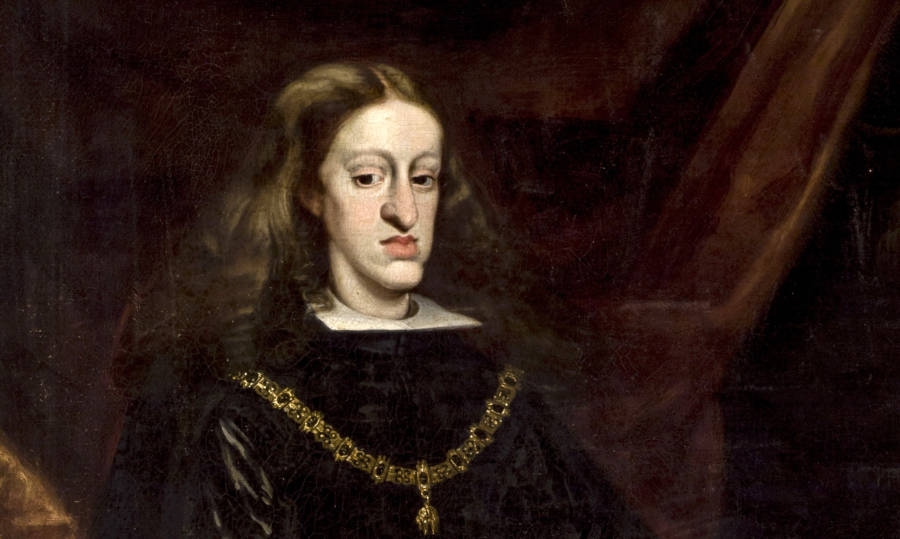
Charles II of Spain, also known as "the Bewitched," was the last Habsburg ruler of Spain, reigning from 1665 to 1700. Born on November 6, 1661, in Madrid, Spain, Charles was the only surviving son of King Philip IV and his second wife, Mariana of Austria. His birth was seen as a miracle, as his father was 56 years old at the time, and the queen was 26. However, Charles's life was marked by poor health, and he suffered from various physical and mental disabilities, which would later impact his ability to rule the country effectively.
Charles's early life was marked by the influence of his mother, who acted as regent due to his father's advanced age and his own minority. After Philip IV's death in 1665, Charles ascended to the throne at the age of four, with his mother continuing to rule in his name. Mariana's regency was characterized by corruption, favoritism, and mismanagement, which led to the decline of the Spanish Empire. The country was plagued by economic troubles, including a significant decline in trade and a substantial increase in debt. The Spanish economy was heavily reliant on the colonies in the Americas, and the decline of the silver and gold mines led to a significant reduction in revenue.
Key Points
- Charles II was the last Habsburg ruler of Spain, reigning from 1665 to 1700.
- He suffered from poor health and physical and mental disabilities, which impacted his ability to rule effectively.
- His mother, Mariana of Austria, acted as regent due to his minority and her husband's advanced age.
- Charles's reign was marked by the decline of the Spanish Empire, economic troubles, and the loss of territories.
- He died on November 1, 1700, without an heir, leading to the War of the Spanish Succession.
Reign and Challenges
As Charles grew older, he began to take a more active role in governing the country. However, his physical and mental disabilities made it difficult for him to make informed decisions, and he was often manipulated by those around him. The Spanish Empire was facing significant challenges, including the rise of other European powers, such as France and England, and the decline of its colonies in the Americas. The country was also plagued by internal conflicts, including the revolt of the Catalans and the Portuguese, who sought independence from Spanish rule.
One of the most significant challenges Charles faced was the economic troubles that plagued the country. The Spanish economy was heavily reliant on the colonies in the Americas, and the decline of the silver and gold mines led to a significant reduction in revenue. The country was also heavily indebted, and the government was forced to implement austerity measures, which further exacerbated the economic troubles. According to historical records, the Spanish debt increased from 300 million pesos in 1650 to over 1 billion pesos by the end of Charles's reign.
Foreign Policy and Wars
Charles’s foreign policy was marked by a series of failed wars and alliances. He was involved in the Franco-Spanish War, which resulted in the loss of significant territories, including the Spanish Netherlands and the Duchy of Luxembourg. He also faced challenges from the Ottoman Empire, which had been expanding its territories in Eastern Europe. The Treaty of Karlowitz, signed in 1699, marked a significant defeat for the Spanish, as they were forced to cede control of Hungary and Transylvania to the Habsburgs.
The War of the Spanish Succession, which began in 1701, was a global conflict that involved many of the major European powers. The war was sparked by Charles's death without an heir, which led to a dispute over who should succeed him. The war lasted for over a decade and resulted in the signing of the Treaty of Utrecht, which marked the end of the Spanish Empire as a major world power.
| War | Year | Outcome |
|---|---|---|
| Franco-Spanish War | 1667-1668 | Loss of Spanish Netherlands and Duchy of Luxembourg |
| War of the Spanish Succession | 1701-1714 | End of the Spanish Empire as a major world power |
| Great Turkish War | 1683-1699 | Loss of Hungary and Transylvania to the Habsburgs |
Personal Life and Death
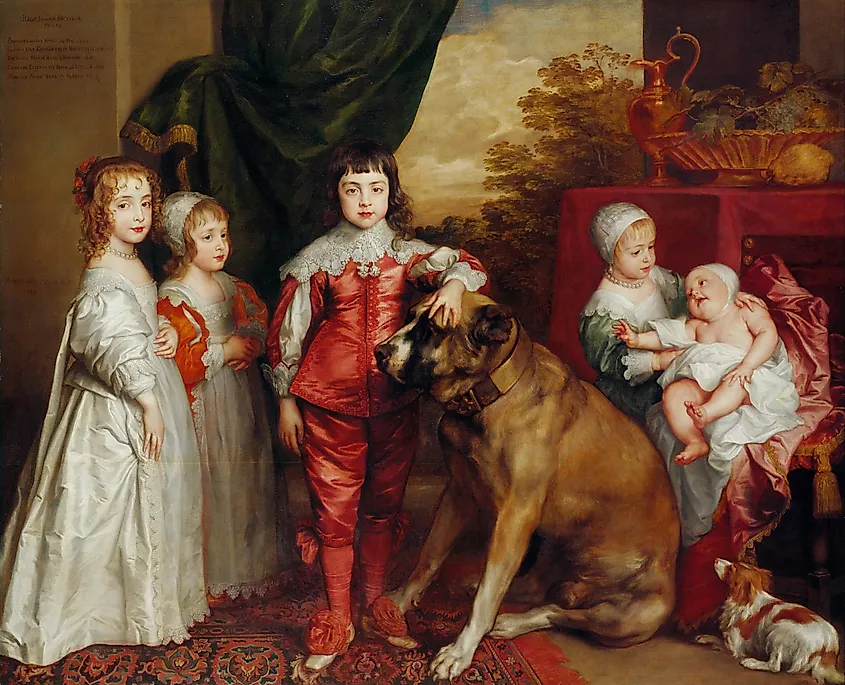
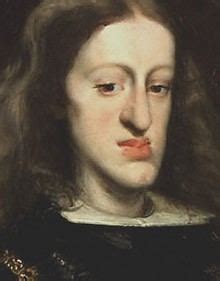
Charles’s personal life was marked by his poor health and his inability to produce an heir. He married twice, first to Marie Louise of Orléans and then to Maria Anna of Neuberg, but both marriages were childless. His death on November 1, 1700, without an heir, led to the War of the Spanish Succession, as various European powers vied for control of the Spanish throne.
Charles's legacy is complex and multifaceted. While he is often seen as a weak and ineffective ruler, he also played a significant role in shaping the course of European history. His death marked the end of the Habsburg dynasty in Spain and the beginning of a new era of Bourbon rule. According to historical records, Charles's reign was marked by a significant decline in the Spanish population, from over 8 million in 1660 to less than 6 million by the end of his reign.
What were the main challenges faced by Charles II during his reign?
+Charles II faced several challenges during his reign, including poor health, economic troubles, and the decline of the Spanish Empire. He also faced internal conflicts, such as the revolt of the Catalans and the Portuguese, and external threats from other European powers.
What was the significance of the War of the Spanish Succession?
+The War of the Spanish Succession was a global conflict that involved many of the major European powers. It was sparked by Charles’s death without an heir and resulted in the signing of the Treaty of Utrecht, which marked the end of the Spanish Empire as a major world power.
What was Charles II’s legacy?
+Charles II’s legacy is complex and multifaceted. While he is often seen as a weak and ineffective ruler, he also played a significant role in shaping the course of European history. His death marked the end of the Habsburg dynasty in Spain and the beginning of a new era of Bourbon rule.