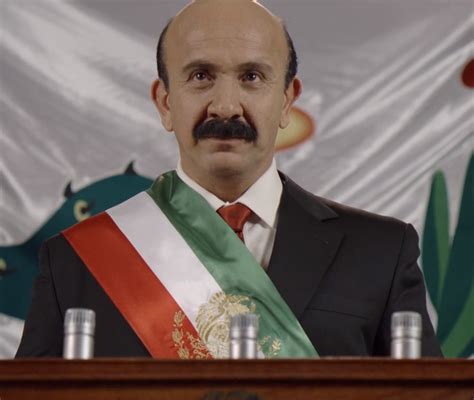
Carlos Salinas de Gortari is a significant figure in Mexican politics, having served as the President of Mexico from 1988 to 1994. His presidency was marked by various economic and political reforms, some of which had profound effects on the country. Here are five key facts about Carlos Salinas de Gortari:
Early Life and Education
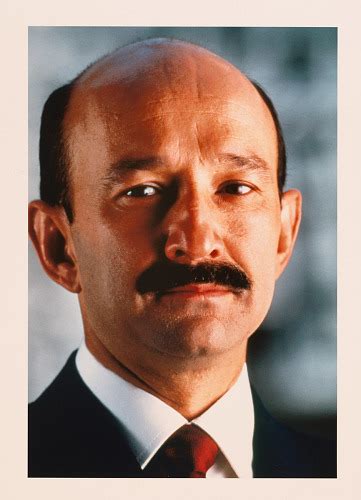
Carlos Salinas de Gortari was born on April 3, 1948, in Mexico City. He comes from a family with a strong background in politics; his father, Raúl Salinas Lozano, was a government official. Salinas de Gortari’s educational background is impressive, having graduated from the National Autonomous University of Mexico (UNAM) with a degree in economics. He then went on to earn a master’s degree in public administration from Harvard University’s John F. Kennedy School of Government. This educational foundation would later influence his economic policies as president.
Rise to Presidency
Salinas de Gortari’s rise to the presidency was swift and marked by controversy. He became a member of the Institutional Revolutionary Party (PRI), which had dominated Mexican politics for decades. His career in government began in the Ministry of Planning and Budget, and he later served as the Minister of Budget and Planning under President Miguel de la Madrid. In 1988, he was nominated as the PRI’s candidate for the presidency and won the election, although the election was marred by allegations of fraud.
| Year | Position |
|---|---|
| 1982-1987 | Minister of Planning and Budget |
| 1988 | PRI Presidential Candidate |
| 1988-1994 | President of Mexico |

Economic Reforms and NAFTA
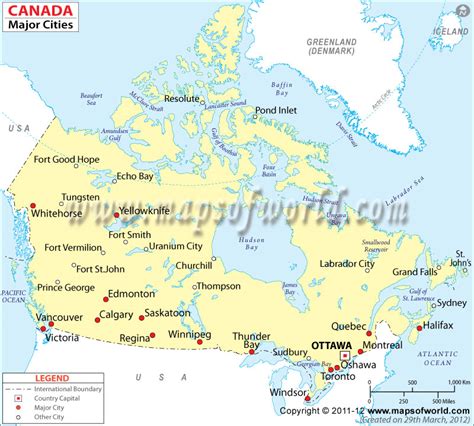
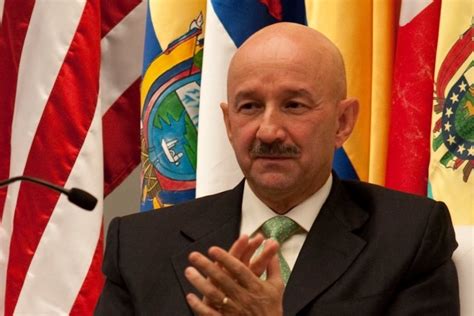
One of the most significant aspects of Salinas de Gortari’s presidency was his economic reform program, which included the privatization of state-owned enterprises, deregulation, and trade liberalization. A hallmark of his economic policy was the negotiation and signing of the North American Free Trade Agreement (NAFTA) with the United States and Canada. NAFTA came into effect on January 1, 1994, and aimed to reduce trade barriers and facilitate the exchange of goods and services among the three countries. While NAFTA had its supporters, who argued it would increase economic efficiency and attract foreign investment, critics pointed out that it could lead to job losses in certain sectors and exacerbate income inequality.
Post-Presidency and Controversies
After leaving office in 1994, Salinas de Gortari faced several controversies, including allegations of corruption and his handling of the Zapatista uprising in Chiapas. His brother, Raúl Salinas de Gortari, was implicated in corruption scandals and drug trafficking, which further tarnished the family’s reputation. Carlos Salinas de Gortari has maintained a relatively low public profile since his presidency, although he has occasionally spoken out on political and economic issues.
Key Points
- Carlos Salinas de Gortari served as President of Mexico from 1988 to 1994.
- He implemented significant economic reforms, including privatization and trade liberalization.
- NAFTA was signed during his presidency, aiming to reduce trade barriers among Mexico, the US, and Canada.
- His post-presidency has been marked by controversy, including allegations of corruption and his response to the Zapatista uprising.
- Salinas de Gortari's legacy is complex, with some viewing him as a reformer who modernized Mexico's economy, while others criticize his policies for increasing inequality and benefiting the wealthy at the expense of the poor.
In conclusion, Carlos Salinas de Gortari's presidency and legacy are multifaceted, reflecting both the aspirations for economic modernization and the challenges of implementing such reforms in a context of deep social and economic inequalities. His impact on Mexican politics and economy continues to be a subject of debate among scholars, policymakers, and the general public.
What were the main economic reforms implemented by Carlos Salinas de Gortari?
+The main economic reforms included privatization of state-owned enterprises, deregulation, and trade liberalization, with NAFTA being a key component of these reforms.
How did NAFTA affect Mexico’s economy and society?
+NAFTA had mixed effects, leading to increased foreign investment and trade, but also contributing to job losses in certain sectors and exacerbating income inequality.
What controversies has Carlos Salinas de Gortari faced since leaving office?
+He has faced allegations of corruption, and his brother’s involvement in corruption scandals and drug trafficking has further complicated his post-presidency.