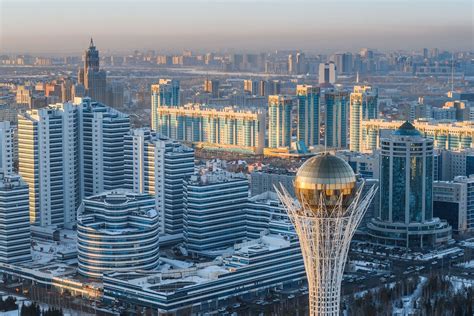
Astana, the capital city of Kazakhstan, has undergone a transformation of unprecedented scale since its designation as the country's capital in 1997. This shift from the former capital, Almaty, marked a significant moment in Kazakhstan's history, symbolizing the nation's aspirations for a modern, forward-looking identity. Located in the north-central part of the country, Astana stands as a testament to Kazakhstan's ambition, blending futuristic architecture with traditional nomadic culture.
Historical Context and Development
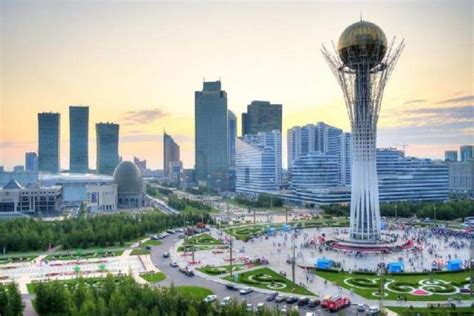
The decision to move the capital from Almaty to Astana (then known as Akmola) was driven by strategic, economic, and geopolitical considerations. Astana’s central location makes it more accessible to the majority of the country’s population and provides a buffer zone against potential geopolitical tensions. The city’s development has been rapid, with investments pouring in to create a city that not only serves as the administrative and political hub but also as a symbol of national pride and identity.
Economic and Urban Development
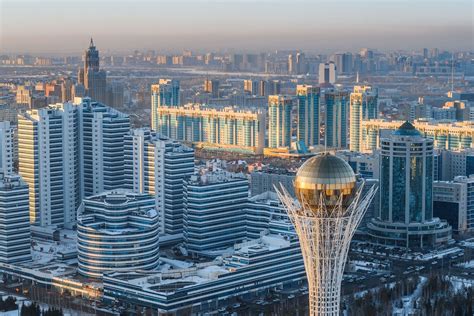
Astana’s economic growth has been phenomenal, driven by large-scale investments in infrastructure, real estate, and the service sector. The city is designed to accommodate over a million inhabitants, with state-of-the-art facilities, including the Astana International Financial Centre, which aims to position the city as a financial hub in Central Asia. Urban planning in Astana reflects a mix of modern and traditional elements, with wide, tree-lined avenues and spectacular architectural landmarks like the Bayterek Tower and the Palace of Peace and Reconciliation.
| Development Metrics | Values |
|---|---|
| Population Growth Rate (2000-2020) | Approximately 300% |
| Foreign Investment (2010-2020) | $15 Billion+ |
| Area of the City | Over 1,100 km² |
Cultural and Social Landscape
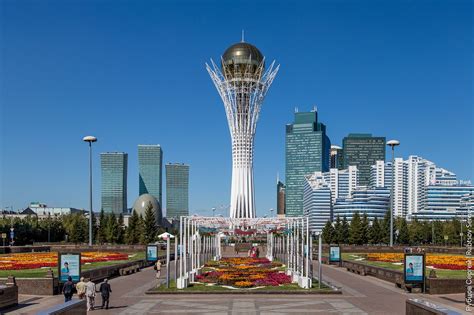
Astana is not just a city of grand architectural projects; it is also a melting pot of cultures, reflecting Kazakhstan’s diverse ethnic composition. The city hosts various cultural events and festivals throughout the year, showcasing traditional music, dance, and art. The Palace of Peace and Reconciliation, for example, serves as a venue for significant international and cultural events, including the triennial Congress of Leaders of World and Traditional Religions.
Sustainability and Environmental Considerations
Given Astana’s rapid growth and its location in a semi-arid steppe region, environmental sustainability is a critical consideration. The city’s master plan incorporates green technology and energy-efficient design principles to mitigate the urban heat island effect and reduce carbon emissions. Initiatives such as the Green Belt program aim to increase the city’s green spaces, enhancing both the aesthetic appeal and the ecological health of the urban environment.
Key Points
- Astana's transformation into a modern capital reflects Kazakhstan's economic and political aspirations.
- The city's design and development prioritize sustainability and energy efficiency.
- Astana hosts a range of cultural and international events, promoting interfaith dialogue and cooperation.
- The city's growth has been accompanied by significant investments in infrastructure and real estate.
- Astana serves as a model for urban planning and development in Central Asia and beyond.
As Astana continues to evolve, it faces challenges such as balancing growth with environmental sustainability, ensuring social cohesion among its diverse population, and maintaining its position as a hub for international diplomacy and finance. Despite these challenges, the city remains a powerful symbol of Kazakhstan's ambition and its vision for the future.
What are the main drivers of Astana's economic growth?
+Astana's economic growth is primarily driven by large-scale investments in infrastructure, the service sector, and its designation as a financial hub. Government initiatives and foreign investment also play significant roles.
How does Astana's development impact the environment?
+Astana's rapid development poses environmental challenges, including the potential for increased pollution and strain on resources. However, the city's master plan incorporates various sustainability measures, such as green technology and energy-efficient design, to mitigate these impacts.
What cultural events can one expect to find in Astana?
+Astana hosts a variety of cultural events, including the Eurasia International Film Festival, the Astana International Action Film Festival, and the Congress of Leaders of World and Traditional Religions, among others. These events reflect the city's role as a cultural and religious hub.
Astana, with its blend of futuristic architecture, cultural diversity, and strategic importance, stands as a beacon of modernization and development in Central Asia. Its story serves as a fascinating case study for urban planners, economists, and anyone interested in the dynamics of city development and national identity formation.