Pigs, known for their unique physiology, have several fascinating characteristics, one of which is their method of thermoregulation. Unlike humans, who primarily sweat to cool down, pigs have a different approach to managing their body temperature. The concept of "pig sweat" is often misunderstood, leading to interesting discussions about how pigs actually cool themselves. Here are five key facts about pig sweat and thermoregulation in pigs:
Understanding Pig Sweat
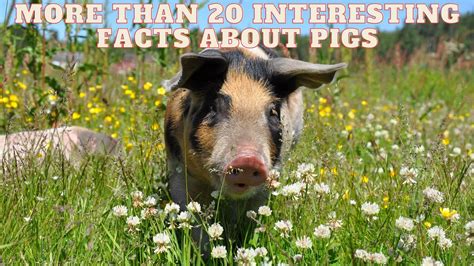
Pigs do have sweat glands, but they are not as prominent or functional as those found in humans. Their sweat glands are mostly limited to their snout and are not very effective in cooling the body. This is because pigs have a thick layer of fat and a relatively small surface area compared to their body volume, which reduces the efficiency of sweating as a cooling mechanism.
Pig Thermoregulation Mechanisms
Instead of relying on sweat, pigs use several other methods to regulate their body temperature. One of the primary methods is rolling around in mud or water. The evaporation of water from their skin surface helps to cool them down. This behavior is not just about cooling; it also serves as a protective measure against the sun and insects. Pigs will often seek shade or use shelters to avoid direct sunlight, further aiding in their thermoregulation.
| Thermoregulation Method | Description |
|---|---|
| Mud Rolling | Cooling through evaporation, sun protection, and insect repellent |
| Shade Seeking | Avoiding direct sunlight to prevent overheating |
| Panting | Evaporative cooling through the respiratory system |
| Water Immersion | Direct cooling of the body through water contact |
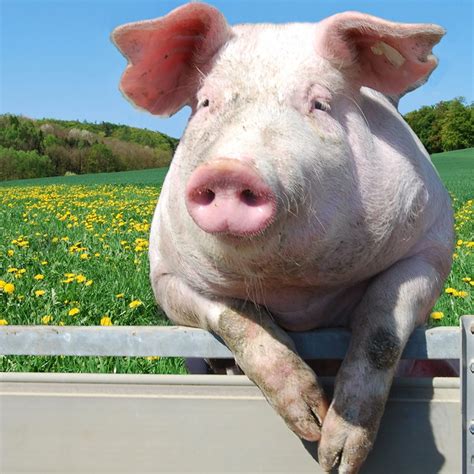
Evolutionary Aspects of Pig Sweat
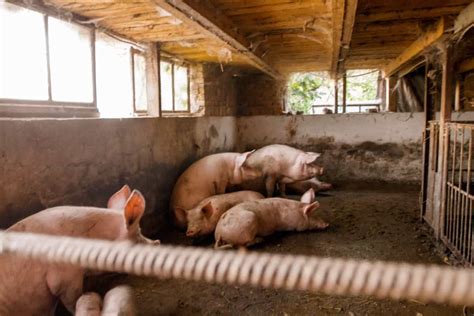
From an evolutionary standpoint, the limited reliance on sweat glands in pigs can be attributed to their ancestral habitats. Wild boars, the ancestors of domestic pigs, originated in areas with abundant water sources and shaded forests, reducing the need for a sophisticated sweating mechanism. As domestication occurred, pigs were often kept in conditions that required them to adapt to a variety of environments, but their basic thermoregulatory strategies remained rooted in their evolutionary past.
Importance of Understanding Pig Thermoregulation
Recognizing how pigs manage their body temperature is crucial for their care and well-being. Farmers and animal handlers must provide pigs with adequate means to cool down, especially in hot climates or during heatwaves. This includes access to clean water for drinking and bathing, shaded areas, and sometimes even cooled flooring or ventilation systems in barns. Understanding pig sweat and thermoregulation can significantly improve the health and productivity of pig populations.
Key Points
- Pigs have limited sweat glands that are not very effective for cooling.
- They primarily cool themselves through behaviors like mud rolling, shade seeking, panting, and water immersion.
- Their thermoregulatory mechanisms are adaptations to their evolutionary environment.
- Understanding pig thermoregulation is crucial for their care and welfare.
- Providing adequate cooling measures can improve the health and productivity of pigs.
In conclusion, the concept of pig sweat, while intriguing, is a small part of the broader and more complex topic of pig thermoregulation. By appreciating the unique ways in which pigs adapt to their environments, we can better ensure their health and well-being, whether in agricultural settings or in conservation efforts for wild boar populations.
Do pigs really sweat?
+Pigs do have sweat glands, but they are not very effective for cooling the body. Their primary methods of thermoregulation involve behaviors such as rolling in mud or water and seeking shade.
Why is understanding pig thermoregulation important?
+Understanding how pigs regulate their body temperature is crucial for their care and welfare. It informs the provision of appropriate living conditions, such as access to water and shade, which can significantly impact their health and productivity.
How do pigs cool themselves in hot climates?
+Pigs primarily cool themselves through behaviors such as mud rolling, shade seeking, panting, and water immersion. In agricultural settings, additional measures like cooled flooring or ventilation systems may be provided to help them regulate their body temperature.