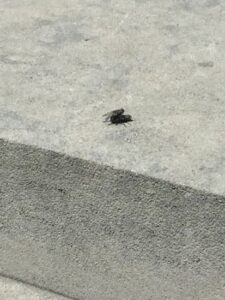
The process of maggots transforming into flies is a complex and fascinating biological phenomenon. This transformation, known as metamorphosis, involves a series of physical changes that allow the maggot, the larval stage of a fly, to develop into a fully formed adult fly. The journey from maggot to fly is not just a matter of growth but a radical transformation that involves the development of new organs, tissues, and body structures.
Understanding this process requires a deep dive into the biology of flies and the different stages of their life cycle. The life cycle of a fly includes four distinct stages: egg, larva (maggot), pupa, and adult. Each stage is crucial for the development and survival of the species. The transformation from maggot to fly is perhaps the most dramatic, involving as it does the dissolution of most of the larval body and the reorganization of its cells into the adult form.
Key Points
- The transformation of maggots into flies involves a complete overhaul of the organism's body structure.
- This process, known as holometabolism, is characterized by four life stages: egg, larva, pupa, and adult.
- The larval stage, or maggot, is focused on eating and growing, while the adult stage is dedicated to reproduction.
- The transition from larva to adult involves a pupal stage, where the maggot undergoes metamorphosis.
- Environmental factors, such as temperature and nutrition, can significantly influence the duration and success of this transformation.
The Biology of Maggot Development
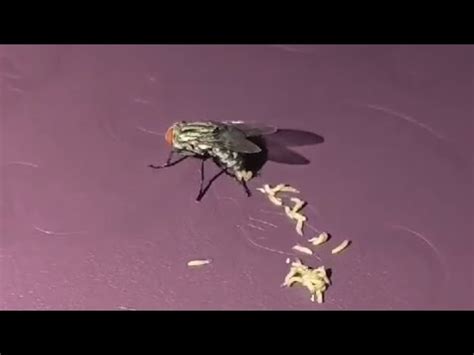
The development of maggots into flies begins with the female fly laying her eggs in a nutrient-rich environment. These eggs hatch into maggots, which are legless, grub-like larvae. The maggot’s primary function is to eat and grow, storing energy that will be used during its transformation into a fly. This stage is critical because the amount of food consumed and the health of the maggot during this period can affect its chances of successfully transforming into an adult fly.
The Pupal Stage: Metamorphosis
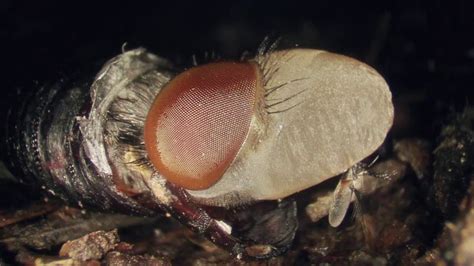
As the maggot reaches its full size, it will begin to look for a safe place to pupate. During this stage, the maggot undergoes a dramatic transformation, called metamorphosis, where most of its body breaks down and is reorganized into the adult form. This process involves the formation of imaginal discs, which are groups of cells that will develop into the adult structures such as wings, legs, and eyes. The pupal stage is a period of significant change and is crucial for the development of the adult fly.
| Life Stage | Description | Duration |
|---|---|---|
| Egg | The initial stage of a fly's life cycle, where the female lays her eggs. | 1-3 days |
| Larva (Maggot) | The eating and growing stage, where the maggot consumes nutrients to store energy for metamorphosis. | 3-7 days |
| Pupa | The transformation stage, where the maggot undergoes metamorphosis to become an adult fly. | 3-6 days |
| Adult | The final stage, focused on reproduction and starting the cycle over. | Varies, typically several weeks |
Environmental Influences on Maggot Development
The development of maggots into flies is influenced by various environmental factors, including temperature, humidity, and the availability of food. Temperature, for example, can significantly affect the duration of each life stage. Generally, warmer temperatures accelerate development, while cooler temperatures slow it down. However, extreme temperatures can be detrimental, leading to high mortality rates among maggots and pupae.
Nutritional Factors
Nutrition plays a critical role in the development of maggots. A diet rich in proteins and other nutrients is essential for the maggot’s growth and its ability to successfully transform into an adult fly. Inadequate nutrition can result in a smaller size, reduced fertility, or even failure to metamorphose.
In conclusion, the process of maggots turning into flies is a fascinating and complex biological phenomenon. It involves a series of carefully orchestrated stages, each with its own set of challenges and requirements. By understanding this process, we gain not only a deeper appreciation for the natural world but also valuable insights into the biology and behavior of flies, which can inform strategies for managing fly populations in various contexts.
How long does it take for a maggot to turn into a fly?
+The duration can vary depending on environmental conditions and the species of fly, but typically, it takes around 10 to 21 days from egg to adult.
What factors can influence the development of maggots into flies?
+Temperature, humidity, availability of food, and genetic factors can all influence the development and success of maggots transforming into adult flies.
Why is understanding the life cycle of flies important?
+Understanding the life cycle of flies is important for developing effective strategies for managing fly populations, which can be significant pests in agricultural and urban settings, and for advancing knowledge in fields such as entomology and biological science.