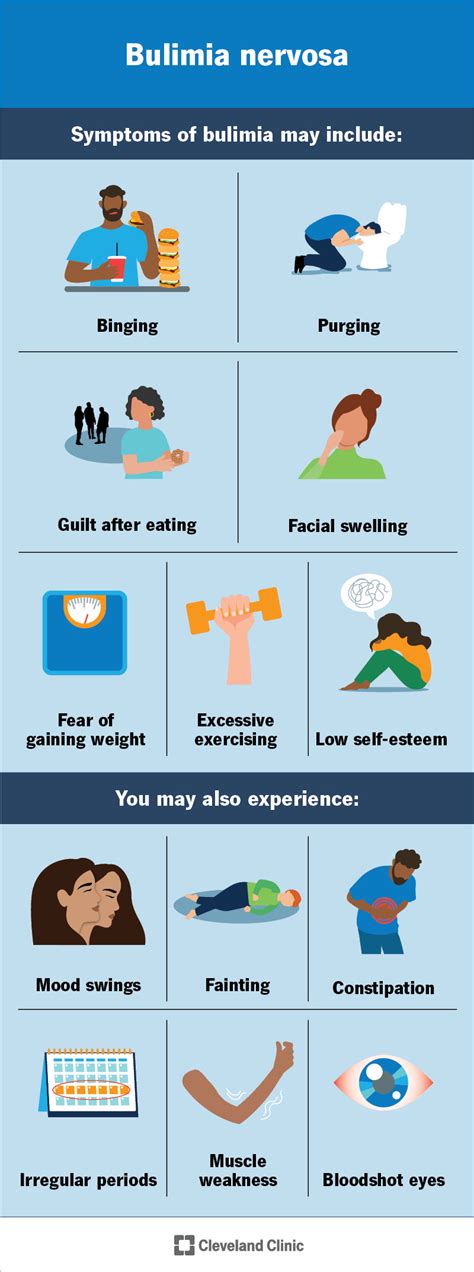
Bulimia nervosa is a serious eating disorder characterized by a cycle of bingeing and purging, which can have severe physical and emotional consequences. While therapy is a crucial component of treatment, medication can also play a role in helping individuals manage their symptoms and regain control over their eating habits. In this article, we will delve into the world of bulimia nervosa medication, exploring the various options available, their effectiveness, and the potential risks and benefits associated with their use.
Key Points
- Antidepressants, particularly selective serotonin reuptake inhibitors (SSRIs), are commonly used to treat bulimia nervosa
- Anti-seizure medications, such as topiramate, may also be prescribed to help reduce bingeing and purging behaviors
- Medications should always be used in conjunction with therapy and under the guidance of a qualified healthcare professional
- It is essential to carefully weigh the potential benefits and risks of medication, as well as to monitor side effects and adjust treatment as needed
- A comprehensive treatment plan that incorporates medication, therapy, and lifestyle changes can help individuals with bulimia nervosa achieve long-term recovery
Understanding Bulimia Nervosa and Its Treatment

Bulimia nervosa is a complex condition that affects individuals of all ages, backgrounds, and body types. It is characterized by recurring episodes of binge eating, followed by compensatory behaviors such as self-induced vomiting, laxatives, or excessive exercise. These behaviors can lead to a range of physical and emotional problems, including electrolyte imbalances, digestive issues, and mental health concerns like depression and anxiety.
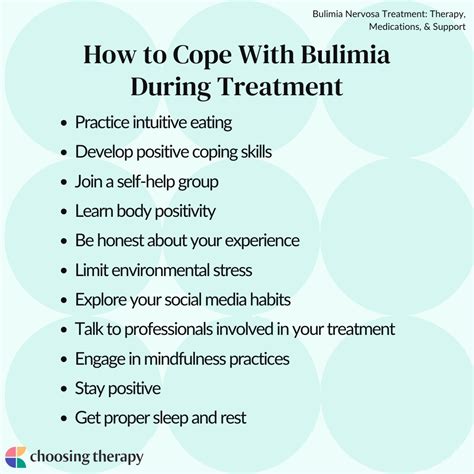
Treatment for bulimia nervosa typically involves a combination of therapy, lifestyle changes, and medication. Therapy, such as cognitive-behavioral therapy (CBT), can help individuals identify and challenge negative thought patterns, develop healthier coping mechanisms, and improve their relationship with food and their body. Lifestyle changes, such as regular exercise and a balanced diet, can also play a crucial role in supporting recovery.
Medications Used to Treat Bulimia Nervosa
Several medications have been found to be effective in reducing the symptoms of bulimia nervosa. These include:
- Antidepressants: Selective serotonin reuptake inhibitors (SSRIs), such as fluoxetine (Prozac), sertraline (Zoloft), and paroxetine (Paxil), are commonly used to treat bulimia nervosa. They can help reduce symptoms of depression and anxiety, as well as decrease bingeing and purging behaviors.
- Anti-seizure medications: Topiramate (Topamax) has been shown to be effective in reducing bingeing and purging behaviors in individuals with bulimia nervosa.
- Other medications: Other medications, such as olanzapine (Zyprexa) and quetiapine (Seroquel), may also be prescribed to help manage symptoms of bulimia nervosa, although their use is less common.
| Medication | Common Dosage | Potential Side Effects |
|---|---|---|
| Fluoxetine (Prozac) | 20-60 mg/day | Nausea, headache, insomnia, dry mouth |
| Topiramate (Topamax) | 25-100 mg/day | Dizziness, fatigue, numbness or tingling, taste changes |
Potential Risks and Benefits of Medication
While medication can be an effective component of treatment for bulimia nervosa, it is essential to carefully weigh the potential benefits and risks. Medications can have side effects, some of which can be serious, and may interact with other medications or worsen underlying health conditions.
It is also important to recognize that medication is not a quick fix or a substitute for therapy and lifestyle changes. Rather, it can be a useful tool in supporting recovery, particularly for individuals who are struggling with severe symptoms or co-occurring mental health conditions.
Monitoring and Adjusting Treatment
Regular monitoring and adjustment of treatment are crucial to ensuring the safe and effective use of medication. This includes:
- Regular check-ins: Regular appointments with a healthcare professional can help monitor side effects, adjust dosages, and address any concerns or questions.
- Side effect management: Strategies for managing side effects, such as nausea or headaches, can help minimize discomfort and improve treatment adherence.
- Treatment adjustments: Adjustments to medication or dosage may be necessary to optimize treatment efficacy and minimize side effects.
What is the most effective medication for bulimia nervosa?
+The most effective medication for bulimia nervosa is often a selective serotonin reuptake inhibitor (SSRI), such as fluoxetine (Prozac). However, the best medication for each individual will depend on their specific needs and circumstances.
Can medication alone cure bulimia nervosa?
+No, medication alone is not a cure for bulimia nervosa. A comprehensive treatment plan that incorporates medication, therapy, and lifestyle changes is typically necessary to achieve long-term recovery.
How long does it take to see results from medication for bulimia nervosa?
+The time it takes to see results from medication for bulimia nervosa can vary depending on the individual and the specific medication being used. Some people may start to notice improvements within a few weeks, while others may take several months to experience significant benefits.
In conclusion, medication can be a valuable component of treatment for bulimia nervosa, particularly when used in conjunction with therapy and lifestyle changes. By carefully weighing the potential benefits and risks, monitoring side effects, and adjusting treatment as needed, individuals with bulimia nervosa can work towards achieving long-term recovery and improving their overall quality of life.