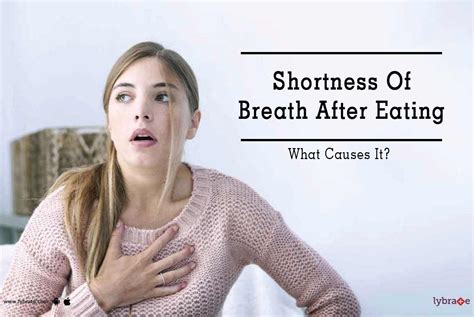
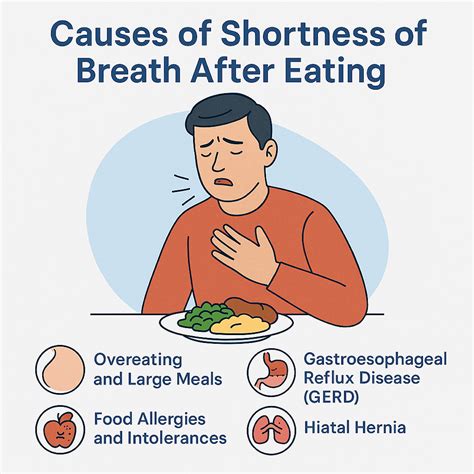
Breathlessness after eating, also known as postprandial dyspnea, is a common symptom experienced by many individuals. It can range from mild shortness of breath to severe difficulty breathing, and in some cases, it may be accompanied by other symptoms such as chest pain, dizziness, or nausea. The causes of breathlessness after eating can be varied, and it is essential to understand the underlying mechanisms to provide effective management and treatment.
One of the primary causes of postprandial dyspnea is the increase in intra-abdominal pressure that occurs after eating. When food enters the stomach, it expands, and this expansion can put pressure on the diaphragm, which is the primary muscle responsible for breathing. This pressure can cause the diaphragm to become flattened, leading to a decrease in lung volume and a subsequent increase in breathing difficulty. Additionally, the act of eating can also stimulate the vagus nerve, which can cause the airways to constrict, further exacerbating breathing difficulties.
Key Points
- Postprandial dyspnea is a common symptom that can range from mild to severe.
- The increase in intra-abdominal pressure after eating can cause the diaphragm to become flattened, leading to breathing difficulties.
- The vagus nerve can be stimulated during eating, causing airway constriction and exacerbating breathing difficulties.
- Underlying medical conditions, such as gastroesophageal reflux disease (GERD) or chronic obstructive pulmonary disease (COPD), can contribute to postprandial dyspnea.
- Lifestyle modifications, such as eating smaller meals or avoiding trigger foods, can help alleviate symptoms.
Underlying Medical Conditions
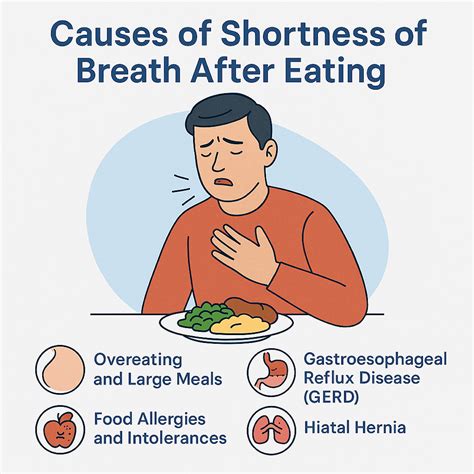
Certain underlying medical conditions can contribute to the development of postprandial dyspnea. For example, individuals with gastroesophageal reflux disease (GERD) may experience symptoms of breathlessness after eating due to the reflux of stomach acid into the esophagus, which can irritate the lungs and trigger breathing difficulties. Similarly, individuals with chronic obstructive pulmonary disease (COPD) may experience exacerbations of their symptoms after eating due to the increased demand on the lungs and the subsequent increase in inflammation and airway constriction.
Gastroesophageal Reflux Disease (GERD)
GERD is a common condition characterized by the reflux of stomach acid into the esophagus, causing symptoms such as heartburn, regurgitation, and dysphagia. In some cases, GERD can also cause respiratory symptoms, including coughing, wheezing, and shortness of breath. The relationship between GERD and postprandial dyspnea is complex, and it is thought that the reflux of stomach acid into the esophagus can stimulate the vagus nerve, leading to airway constriction and breathing difficulties.
| Condition | Symptoms | Prevalence |
|---|---|---|
| GERD | Heartburn, regurgitation, dysphagia, coughing, wheezing, shortness of breath | 20-30% of the general population |
| COPD | Shortness of breath, wheezing, coughing, chest tightness | 10-15% of the general population |
Lifestyle Modifications
Lifestyle modifications can play a significant role in alleviating symptoms of postprandial dyspnea. Eating smaller, more frequent meals can help reduce the increase in intra-abdominal pressure after eating, while avoiding trigger foods such as citrus fruits, tomatoes, and chocolate can help reduce symptoms of GERD. Additionally, maintaining a healthy weight, avoiding tight clothing, and elevating the head of the bed can also help alleviate symptoms.
Dietary Changes
Dietary changes can also help alleviate symptoms of postprandial dyspnea. Avoiding foods that are high in fat, salt, and sugar can help reduce inflammation and improve lung function. Additionally, incorporating foods that are rich in antioxidants, such as fruits and vegetables, can help reduce oxidative stress and improve overall health.
In conclusion, breathlessness after eating is a common symptom that can be caused by a variety of factors, including the increase in intra-abdominal pressure after eating, the stimulation of the vagus nerve, and underlying medical conditions such as GERD or COPD. Lifestyle modifications, such as eating smaller meals, avoiding trigger foods, and maintaining a healthy weight, can help alleviate symptoms. A thorough medical evaluation is necessary to determine the cause of the symptoms, and treatment of the underlying condition can help alleviate symptoms of postprandial dyspnea.
What is postprandial dyspnea?
+Postprandial dyspnea is a common symptom characterized by shortness of breath or difficulty breathing after eating.
What are the causes of postprandial dyspnea?
+The causes of postprandial dyspnea can include the increase in intra-abdominal pressure after eating, the stimulation of the vagus nerve, and underlying medical conditions such as GERD or COPD.
How can I alleviate symptoms of postprandial dyspnea?
+Lifestyle modifications, such as eating smaller meals, avoiding trigger foods, and maintaining a healthy weight, can help alleviate symptoms of postprandial dyspnea.
Meta Description: Discover the causes and symptoms of breathlessness after eating, and learn how to alleviate symptoms through lifestyle modifications and treatment of underlying medical conditions. (147 characters)