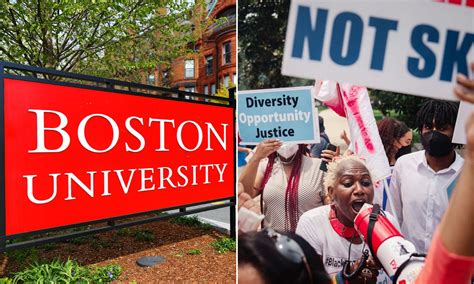
Boston, Massachusetts, is renowned for its rich history, vibrant culture, and esteemed institutions of higher education. Among these, law schools play a significant role, attracting aspiring legal professionals from across the globe. The city is home to several prestigious law schools, each with its unique strengths, specializations, and contributions to the legal community. This guide aims to provide an in-depth exploration of Boston's law schools, offering insights into their programs, admissions processes, and the opportunities they present to students.
Overview of Boston Law Schools
Boston’s legal education landscape is characterized by a blend of historic institutions and modern facilities, all committed to fostering excellence in legal studies. The law schools in Boston are accredited by the American Bar Association (ABA) and are recognized for their rigorous academic programs, research opportunities, and clinical experiences. These institutions not only prepare students for the bar exam but also equip them with the skills, knowledge, and ethical foundations necessary to succeed in the legal profession.
Harvard Law School
Harvard Law School (HLS) is arguably one of the most prestigious law schools in the world. Founded in 1817, it has a long history of innovation in legal education. HLS offers a wide range of programs, including the Juris Doctor (J.D.), various master’s degrees, and doctoral degrees. Its faculty includes some of the most distinguished legal scholars, and its alumni network is unparalleled. The school is known for its challenging curriculum, cutting-edge research centers, and a vibrant community that supports students in achieving their academic and professional goals.
Boston College Law School
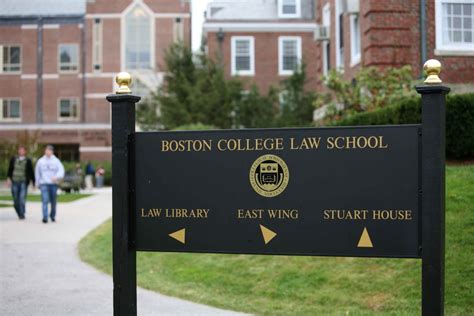
Boston College Law School, established in 1929, is committed to providing a rigorous legal education that integrates theory and practice. The school offers a J.D. program, as well as several dual-degree programs that allow students to combine their legal studies with other disciplines. Boston College Law School is recognized for its strong faculty-student ratio, ensuring that students receive personalized attention and mentorship. Its location in Newton, Massachusetts, just outside of Boston, provides easy access to the city’s legal and business communities.
Boston University School of Law
Boston University School of Law (BU Law) has been a part of the city’s legal landscape since 1872. It is one of the larger law schools in the country, offering a comprehensive legal education with a wide range of specializations. BU Law is known for its innovative approach to legal education, including its emphasis on experiential learning through clinics, internships, and practicum courses. The school’s faculty is diverse and accomplished, providing students with a broad perspective on the law and its applications.
New England Law | Boston
New England Law | Boston, founded in 1908 as the first law school exclusively for women, has evolved into a co-educational institution that remains committed to diversity and access. The school offers full-time and part-time J.D. programs, as well as several graduate programs. New England Law | Boston is recognized for its supportive environment, flexible scheduling options, and a faculty dedicated to helping students succeed in their legal careers.
Key Points
- Harvard Law School is one of the most prestigious law schools globally, known for its rigorous academic programs and distinguished faculty.
- Boston College Law School offers a personalized legal education with a strong focus on theory and practice.
- Boston University School of Law is recognized for its innovative approach to legal education, emphasizing experiential learning.
- New England Law | Boston provides a supportive environment with flexible scheduling options, catering to a diverse student body.
- Each law school in Boston offers unique strengths, specializations, and opportunities for students to engage with the legal community.
Admissions and Financial Aid
Admission to Boston’s law schools is competitive, with each institution looking for candidates who demonstrate academic excellence, a passion for the law, and the potential to make a positive impact in the legal community. The application process typically involves submitting transcripts, letters of recommendation, a personal statement, and scores from the Law School Admission Test (LSAT). Financial aid, including scholarships, grants, and loan programs, is available to help students fund their legal education.
Scholarships and Grants
Many of Boston’s law schools offer merit-based and need-based scholarships to incoming and current students. These awards can significantly reduce the financial burden of attending law school, allowing students to focus on their studies and professional development. Additionally, external scholarships and grants are available from organizations dedicated to supporting legal education and promoting diversity in the legal profession.
| Law School | Median LSAT Score | Median GPA | Tuition (2023-2024) |
|---|---|---|---|
| Harvard Law School | 170 | 3.8 | $65,321 |
| Boston College Law School | 164 | 3.6 | $57,150 |
| Boston University School of Law | 163 | 3.5 | $56,982 |
| New England Law | Boston | 152 | 3.1 | $49,408 |

Career Opportunities and Alumni Networks
Boston’s law schools are strategically located in a hub of legal, financial, and governmental activity, providing students with unparalleled access to internships, clerkships, and job opportunities. The alumni networks of these schools are vast and influential, offering graduates a lifetime of professional connections and support. From boutique law firms to multinational corporations, government agencies, and non-profit organizations, Boston’s legal community is diverse and dynamic, presenting graduates with a wide range of career paths.
Bar Exam Preparation
Each law school in Boston offers comprehensive support to students preparing for the bar exam. This includes specialized courses, bar review programs, and one-on-one mentoring. The bar exam pass rates for these schools are consistently high, reflecting the effectiveness of their preparation programs and the quality of legal education provided.
What are the most important factors to consider when choosing a law school in Boston?
+When choosing a law school in Boston, consider factors such as the school's reputation, curriculum, faculty expertise, clinical and internship opportunities, alumni network, and campus culture. It's also crucial to think about your career goals and how each school can help you achieve them.
How competitive is admission to law schools in Boston?
+Admission to Boston's law schools is highly competitive. Each school receives a large number of applications from qualified candidates. To be competitive, applicants should have a strong academic record, a high LSAT score, compelling personal statements, and meaningful letters of recommendation.
What kind of financial aid and scholarships are available to law students in Boston?
+Law schools in Boston offer a variety of financial aid packages, including merit-based and need-based scholarships, grants, and loans. Additionally, external organizations provide scholarships and grants to support legal education, especially for underrepresented groups in the legal profession.
In conclusion, Boston’s law schools offer aspiring legal professionals a unique blend of academic rigor, practical experience, and professional opportunity. Whether one is drawn to the historic prestige of Harvard Law School, the personalized approach of Boston College Law School, the innovative spirit of Boston University School of Law, or the supportive environment of New England Law | Boston, there is a law school in Boston that can meet their needs and help them achieve their goals. By considering the distinctive characteristics, admissions processes, and career opportunities associated with each school, prospective students can make informed decisions about their legal education and set themselves on the path to a successful and fulfilling legal career.