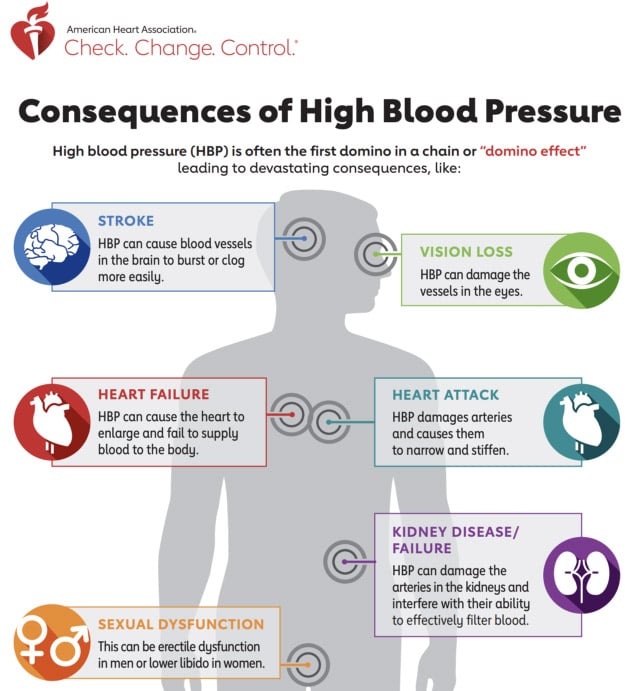
Blood pressure is a critical component of our overall health, and understanding its implications can significantly impact our well-being. A blood pressure reading of 110/70 mmHg is considered to be within the normal range for most adults. The top number, 110, represents the systolic pressure, which is the pressure in the arteries when the heart beats and pumps blood. The bottom number, 70, represents the diastolic pressure, which is the pressure in the arteries when the heart rests between beats. This particular reading suggests that the individual's blood pressure is under control, indicating a lower risk of developing cardiovascular diseases such as heart attacks, strokes, and kidney disease.
Understanding Blood Pressure Readings
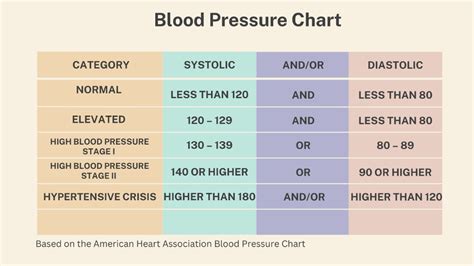
A blood pressure reading consists of two numbers: systolic and diastolic pressures. The American Heart Association (AHA) categorizes blood pressure into several levels, including normal, elevated, stage 1 hypertension, and stage 2 hypertension. A reading of 110⁄70 falls into the normal category, which is generally associated with a lower risk of cardiovascular complications. However, it’s essential to note that blood pressure can fluctuate throughout the day due to various factors such as physical activity, stress, and sleep patterns. Therefore, a single reading might not provide a comprehensive picture of an individual’s blood pressure status.
Factors Influencing Blood Pressure
Several factors can influence blood pressure, including genetics, age, diet, physical activity level, and overall health. For instance, individuals with a family history of hypertension are more likely to develop high blood pressure. Similarly, a diet high in sodium, low in potassium, and inadequate in essential nutrients can contribute to elevated blood pressure. Regular physical activity, on the other hand, can help maintain healthy blood pressure levels. Understanding these factors can help individuals take proactive steps to manage their blood pressure and reduce their risk of cardiovascular diseases.
| Blood Pressure Category | Systolic Pressure | Diastolic Pressure |
|---|---|---|
| Normal | Less than 120 | Less than 80 |
| Elevated | 120-129 | Less than 80 |
| Stage 1 Hypertension | 130-139 | 80-89 |
| Stage 2 Hypertension | 140 or higher | 90 or higher |

Key Points
- A blood pressure reading of 110/70 mmHg is considered normal for most adults.
- Understanding the factors that influence blood pressure, such as genetics, diet, and physical activity level, can help individuals manage their blood pressure and reduce their risk of cardiovascular diseases.
- Regular blood pressure monitoring is essential for maintaining good cardiovascular health.
- A balanced diet, regular physical activity, and adequate sleep can help maintain healthy blood pressure levels.
- Individuals with a history of hypertension or those who are at risk of developing it should work closely with their healthcare provider to manage their blood pressure and reduce their risk of cardiovascular complications.
In conclusion, a blood pressure reading of 110/70 is a positive indicator of cardiovascular health. However, it's essential to remember that blood pressure can fluctuate, and regular monitoring is necessary to ensure that it remains within a healthy range. By understanding the factors that influence blood pressure and taking proactive steps to manage them, individuals can significantly reduce their risk of cardiovascular diseases and maintain good overall health.
What is considered a normal blood pressure reading?
+A normal blood pressure reading is typically considered to be less than 120⁄80 mmHg. However, a reading of 110⁄70 is also within the normal range and is generally associated with a lower risk of cardiovascular complications.
What factors can influence blood pressure?
+Several factors can influence blood pressure, including genetics, age, diet, physical activity level, and overall health. For instance, individuals with a family history of hypertension are more likely to develop high blood pressure. Similarly, a diet high in sodium, low in potassium, and inadequate in essential nutrients can contribute to elevated blood pressure.
How often should I check my blood pressure?
+The frequency of blood pressure checks depends on various factors, including age, health status, and risk factors for cardiovascular disease. Generally, adults with normal blood pressure should have their blood pressure checked at least once a year. However, individuals with a history of hypertension or those who are at risk of developing it should work closely with their healthcare provider to determine the best schedule for monitoring their blood pressure.