Bioaccumulation and biomagnification are two fundamental concepts in environmental science that describe the processes by which substances, particularly pollutants, accumulate in living organisms and ecosystems. Understanding the differences between these two phenomena is crucial for assessing the impact of pollutants on the environment and human health. In this article, we will delve into the definitions, mechanisms, and implications of bioaccumulation and biomagnification, providing a comprehensive overview of these critical processes.
Key Points
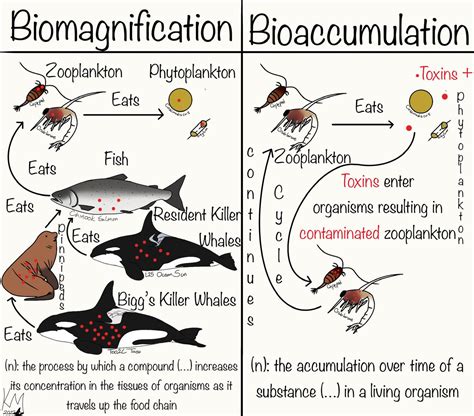
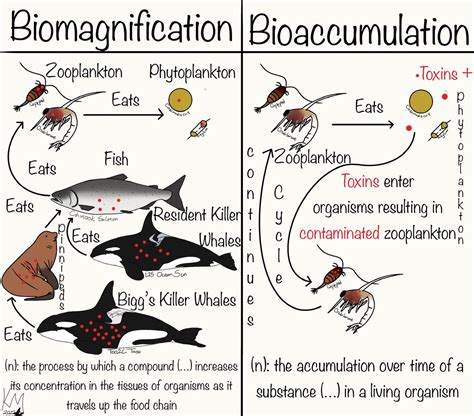
- Bioaccumulation refers to the accumulation of substances in an organism over time, whereas biomagnification describes the increase in concentration of substances as they move up the food chain.
- Bioaccumulation can occur through various routes, including ingestion, inhalation, and dermal absorption, while biomagnification is primarily driven by the consumption of contaminated prey.
- Both processes can have significant environmental and health implications, including the accumulation of toxic substances in apex predators and the potential for human exposure through the food chain.
- Understanding the differences between bioaccumulation and biomagnification is essential for developing effective strategies to mitigate the impact of pollutants on ecosystems and human health.
- Regulatory frameworks and environmental policies must take into account the complexities of bioaccumulation and biomagnification to ensure the protection of the environment and public health.
Defining Bioaccumulation and Biomagnification
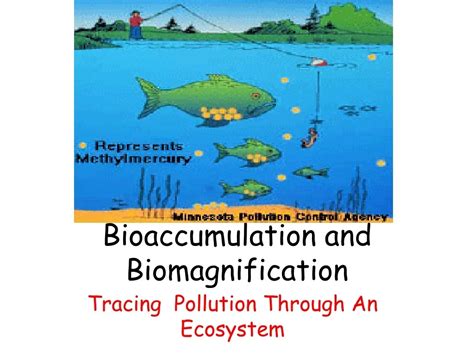
Bioaccumulation is the process by which substances, such as pollutants, accumulate in an organism over time. This can occur through various routes, including ingestion, inhalation, and dermal absorption. Bioaccumulation can result in the buildup of toxic substances in an organism, potentially causing harm or even death. On the other hand, biomagnification refers to the increase in concentration of substances as they move up the food chain. This process occurs when predators consume prey that has accumulated substances, resulting in a higher concentration of those substances in the predator’s body.
Mechanisms of Bioaccumulation and Biomagnification
The mechanisms of bioaccumulation and biomagnification are complex and involve various factors, including the properties of the substance, the characteristics of the organism, and the structure of the food chain. Bioaccumulation can occur through passive diffusion, where the substance passes through the cell membrane, or through active transport, where the substance is transported into the cell through energy-dependent processes. Biomagnification, on the other hand, is driven by the consumption of contaminated prey, which can result in the accumulation of substances in the predator’s body. The efficiency of biomagnification depends on factors such as the trophic level of the predator, the concentration of the substance in the prey, and the rate of consumption.
| Process | Definition | Mechanism |
|---|---|---|
| Bioaccumulation | Accumulation of substances in an organism over time | Passive diffusion, active transport, ingestion, inhalation, dermal absorption |
| Biomagnification | Increase in concentration of substances as they move up the food chain | Consumption of contaminated prey, trophic level, concentration of substance in prey, rate of consumption |
Environmental and Health Implications
The environmental and health implications of bioaccumulation and biomagnification are significant. Bioaccumulation can result in the accumulation of toxic substances in apex predators, potentially causing harm or even death. Biomagnification, on the other hand, can lead to the exposure of humans and other organisms to toxic substances through the food chain. For example, the biomagnification of mercury in aquatic ecosystems can result in the accumulation of toxic levels of mercury in fish and other seafood, potentially harming humans who consume these products.
Case Studies: Bioaccumulation and Biomagnification in Action
Several case studies illustrate the importance of understanding bioaccumulation and biomagnification. For example, the accumulation of DDT in the 1960s and 1970s led to the decline of several bird species, including the bald eagle and the peregrine falcon. The biomagnification of PCBs in the Great Lakes has resulted in the accumulation of toxic levels of these substances in fish and other aquatic organisms, potentially harming humans who consume these products. These examples highlight the need for effective strategies to mitigate the impact of pollutants on ecosystems and human health.
What is the main difference between bioaccumulation and biomagnification?
+Bioaccumulation refers to the accumulation of substances in an organism over time, whereas biomagnification describes the increase in concentration of substances as they move up the food chain.
What are the environmental and health implications of bioaccumulation and biomagnification?
+The environmental and health implications of bioaccumulation and biomagnification are significant, including the accumulation of toxic substances in apex predators and the potential for human exposure through the food chain.
How can we mitigate the impact of pollutants on ecosystems and human health?
+Effective strategies to mitigate the impact of pollutants on ecosystems and human health include reducing the release of pollutants into the environment, implementing regulations and policies to limit exposure, and promoting education and awareness about the risks associated with bioaccumulation and biomagnification.
In conclusion, bioaccumulation and biomagnification are critical processes that describe the accumulation and magnification of substances in living organisms and ecosystems. Understanding the differences between these two phenomena is essential for assessing the impact of pollutants on the environment and human health. By recognizing the complexities of bioaccumulation and biomagnification, we can develop effective strategies to mitigate the impact of pollutants and promote a healthier environment for all.