The medical abbreviation "ASCVd" stands for Atherosclerotic Cardiovascular Disease. It refers to a group of conditions caused by the buildup of plaque in the arteries, leading to cardiovascular diseases such as coronary artery disease, cerebrovascular disease, and peripheral artery disease. Atherosclerotic cardiovascular disease is a major cause of morbidity and mortality worldwide, and its prevention and management are crucial for reducing the risk of cardiovascular events.
Understanding Atherosclerotic Cardiovascular Disease
Atherosclerotic cardiovascular disease is characterized by the accumulation of lipids, inflammatory cells, and fibrous elements in the large arteries, leading to plaque formation. This process can cause arteries to narrow, reducing blood flow to vital organs, and increasing the risk of heart attack, stroke, and other cardiovascular events. The development of ASCVd is influenced by a combination of genetic, environmental, and lifestyle factors, including high blood pressure, high cholesterol, smoking, diabetes, and obesity.
Risk Factors and Prevention
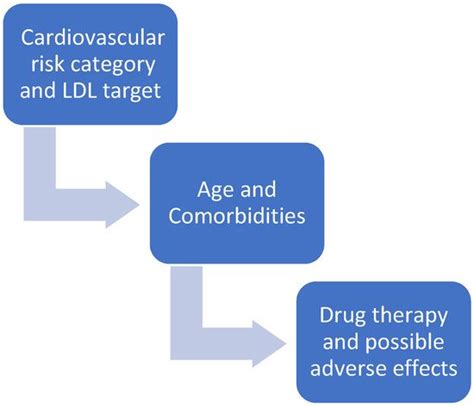
Identifying and managing risk factors is essential for preventing ASCVd. The American Heart Association recommends maintaining a healthy lifestyle, including a balanced diet, regular physical activity, and not smoking. Additionally, controlling blood pressure, cholesterol levels, and blood sugar levels through medication and lifestyle modifications can help reduce the risk of developing ASCVd. Early detection and treatment of risk factors can significantly reduce the incidence of cardiovascular events and improve overall health outcomes.
| Risk Factor | Description |
|---|---|
| High Blood Pressure | BP ≥ 130/80 mmHg |
| High Cholesterol | Total cholesterol ≥ 200 mg/dL |
| Smoking | Current smoker |
| Diabetes | Fasting glucose ≥ 126 mg/dL |
| Obesity | Body Mass Index (BMI) ≥ 30 kg/m² |
Diagnosis and Management
Diagnosing ASCVd involves a combination of medical history, physical examination, and diagnostic tests, such as electrocardiograms, echocardiograms, and angiograms. Management of ASCVd typically involves lifestyle modifications, medication, and, in some cases, surgical interventions, such as angioplasty or bypass surgery. The goal of treatment is to reduce the risk of cardiovascular events, alleviate symptoms, and improve quality of life.
Treatment Options
Treatment options for ASCVd depend on the severity of the disease and the individual patient’s needs. Medications, such as statins, beta blockers, and antiplatelet agents, can help reduce cholesterol levels, lower blood pressure, and prevent blood clots. Lifestyle modifications, including a healthy diet, regular exercise, and stress management, are also essential for managing ASCVd. In some cases, surgical interventions may be necessary to restore blood flow to affected areas.
Key Points
- ASCVd stands for Atherosclerotic Cardiovascular Disease, a group of conditions caused by plaque buildup in the arteries.
- Risk factors for ASCVd include high blood pressure, high cholesterol, smoking, diabetes, and obesity.
- Prevention and management of ASCVd involve lifestyle modifications, medication, and, in some cases, surgical interventions.
- Early detection and treatment of risk factors can significantly reduce the incidence of cardiovascular events and improve overall health outcomes.
- Treatment options for ASCVd depend on the severity of the disease and the individual patient's needs.
In conclusion, ASCVd is a significant public health concern that requires attention and action from healthcare professionals, patients, and policymakers. By understanding the causes, risk factors, and management options for ASCVd, we can work together to reduce the burden of cardiovascular disease and improve health outcomes for individuals and communities.
What is the primary cause of Atherosclerotic Cardiovascular Disease?
+The primary cause of ASCVd is the buildup of plaque in the arteries, which can be influenced by a combination of genetic, environmental, and lifestyle factors.
How can I reduce my risk of developing ASCVd?
+Reducing your risk of developing ASCVd involves maintaining a healthy lifestyle, including a balanced diet, regular physical activity, and not smoking. Additionally, controlling blood pressure, cholesterol levels, and blood sugar levels through medication and lifestyle modifications can help reduce the risk of developing ASCVd.
What are the treatment options for ASCVd?
+Treatment options for ASCVd depend on the severity of the disease and the individual patient's needs. Medications, such as statins, beta blockers, and antiplatelet agents, can help reduce cholesterol levels, lower blood pressure, and prevent blood clots. Lifestyle modifications, including a healthy diet, regular exercise, and stress management, are also essential for managing ASCVd. In some cases, surgical interventions may be necessary to restore blood flow to affected areas.
Meta Description: Learn about Atherosclerotic Cardiovascular Disease (ASCVd), its causes, risk factors, and treatment options. Understand how to reduce your risk and manage the condition to improve health outcomes.