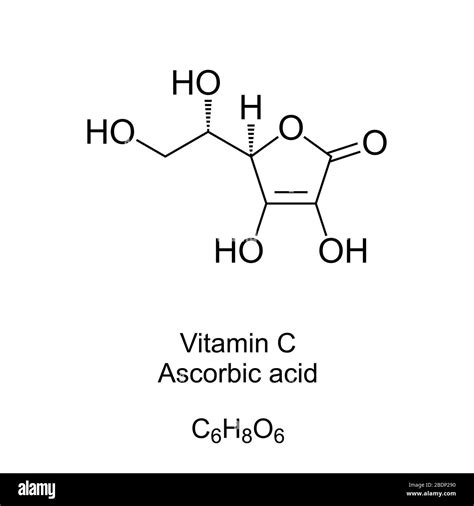
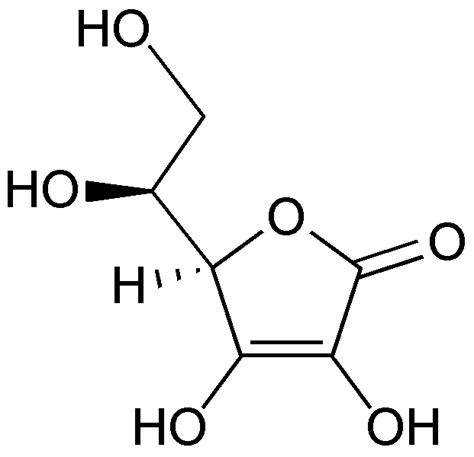
Ascorbic acid, commonly known as vitamin C, is a water-soluble vitamin that plays a crucial role in various bodily functions, including immune system support, collagen production, and iron absorption. The chemical formula for ascorbic acid is C6H8O6, which indicates that one molecule of ascorbic acid consists of six carbon atoms, eight hydrogen atoms, and six oxygen atoms. This formula is essential in understanding the structural properties of ascorbic acid and its interactions with other molecules in the body.
Key Points
- The chemical formula for ascorbic acid is C6H8O6, indicating its composition of carbon, hydrogen, and oxygen atoms.
- Ascorbic acid is a water-soluble vitamin, meaning it dissolves in water and is not stored in the body in significant amounts.
- Vitamin C is essential for the production of collagen, a protein that gives structure to skin, bones, and connective tissue.
- Ascorbic acid also plays a role in the absorption of iron from plant-based foods, enhancing the body's ability to utilize this essential mineral.
- Deficiency in vitamin C can lead to scurvy, a condition characterized by fatigue, malaise, and connective tissue defects.
Chemical Structure and Properties
The chemical structure of ascorbic acid is characterized by a six-carbon ring with a hydroxyl group (-OH) attached to each of the second, third, and sixth carbon atoms, and a double bond between the second and third carbon atoms. This structure is crucial for its biological activity, including its ability to donate electrons and thus act as an antioxidant. Ascorbic acid is highly soluble in water, which is why it is classified as a water-soluble vitamin and is not stored in the body in significant amounts, unlike fat-soluble vitamins.
Biological Functions
Ascorbic acid is involved in numerous biological processes. One of its most notable roles is in the synthesis of collagen, a protein that provides strength and structure to skin, bones, tendons, and ligaments. Vitamin C acts as a cofactor for the enzymes prolyl hydroxylase and lysyl hydroxylase, which are essential for the stabilization and cross-linking of collagen molecules. Additionally, ascorbic acid enhances the absorption of non-heme iron, which is the form of iron found in plant-based foods, by reducing it to a more soluble form that can be more easily absorbed by the intestine.
| Biological Function | Role of Ascorbic Acid |
|---|---|
| Collagen Synthesis | Cofactor for prolyl and lysyl hydroxylases |
| Iron Absorption | Reduces non-heme iron to enhance absorption |
| Antioxidant Activity | Donates electrons to neutralize free radicals |
| Immune System Support | Supports the function of immune cells like neutrophils and lymphocytes |
Dietary Sources and Requirements
Ascorbic acid is found in various foods, with citrus fruits, strawberries, bell peppers, and leafy green vegetables being among the richest sources. The recommended daily intake of vitamin C varies by age, sex, and other factors, but generally ranges from 60 to 90 milligrams per day for adults. Smokers and individuals under stress may require higher intakes due to increased oxidative stress and metabolic demand.
Deficiency and Toxicity
A deficiency in ascorbic acid leads to scurvy, a disease that was prevalent among sailors on long voyages without access to fresh fruits and vegetables. Symptoms of scurvy include fatigue, swollen gums, joint pain, and poor wound healing. On the other hand, excessive intake of vitamin C can cause gastrointestinal side effects such as diarrhea, stomach cramps, and nausea, although severe toxicity is rare due to its water-soluble nature and the body’s efficient excretion mechanisms.
What is the primary role of ascorbic acid in the human body?
+Ascorbic acid, or vitamin C, plays a critical role in collagen synthesis, iron absorption, and acts as an antioxidant, among other functions.
What are the symptoms of ascorbic acid deficiency?
+Deficiency in ascorbic acid leads to scurvy, characterized by symptoms such as fatigue, malaise, swollen gums, joint pain, and poor wound healing.
What are the richest dietary sources of ascorbic acid?
+Citrus fruits, strawberries, bell peppers, and leafy green vegetables are among the richest sources of ascorbic acid.
In conclusion, ascorbic acid is a vital nutrient that supports a range of bodily functions, from the synthesis of collagen and the absorption of iron to the protection of cells against oxidative damage. Understanding its chemical structure, biological roles, and dietary requirements is essential for maintaining optimal health and preventing deficiency-related disorders.