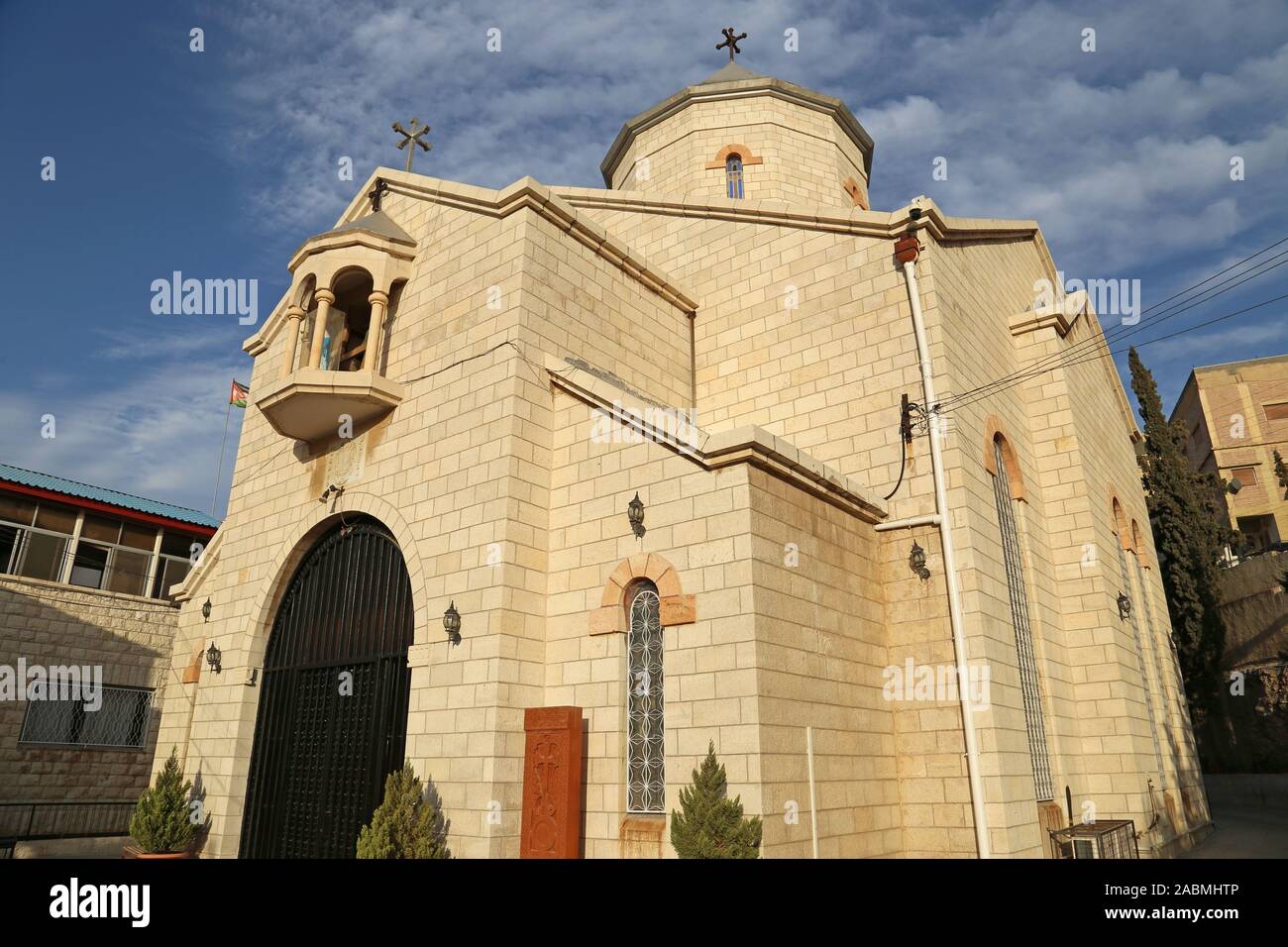
The Armenian Apostolic Church, one of the oldest Christian denominations in the world, has a rich and complex history spanning over 1,700 years. With its roots in the 1st century AD, the church has played a significant role in shaping the spiritual, cultural, and national identity of the Armenian people. The church's history is deeply intertwined with the history of Armenia, a small country located in the South Caucasus region, and has been influenced by various empires and dynasties throughout the centuries.
The early history of the Armenian Apostolic Church is closely tied to the apostolic era, with tradition holding that the church was founded by two of Jesus' twelve apostles, Thaddeus and Bartholomew, in the 1st century AD. According to historical records, including the works of the 5th-century historian Agathangelos, the apostles preached in Armenia and converted the local population to Christianity. The church's early development was also influenced by the neighboring Christian communities, including the Syriac and Greek churches.
Establishment and Growth

The Armenian Apostolic Church was formally established in 301 AD, when Armenia became the first country to adopt Christianity as its official state religion. This event, known as the “Christianization of Armenia,” was facilitated by Saint Gregory the Illuminator, a Christian priest who converted the Armenian king, Tiridates III, to Christianity. The church’s growth and development were rapid, with the establishment of the first Armenian cathedral, the Etchmiadzin Cathedral, in 301 AD, which remains the spiritual center of the church to this day.
The church's early history was marked by periods of persecution and martyrdom, particularly during the Roman and Persian empires. However, the church continued to thrive, and by the 5th century, it had developed a distinct theological and liturgical tradition. The Armenian Apostolic Church played a significant role in the development of Christianity in the region, with Armenian missionaries and theologians contributing to the spread of Christianity to neighboring countries, including Georgia and Albania.
Doctrine and Practice
The Armenian Apostolic Church is an Oriental Orthodox church, which means that it is part of the broader Orthodox Christian tradition. The church’s doctrine and practice are based on the teachings of the apostles and the early Christian fathers, with a strong emphasis on the importance of tradition and the authority of the Bible. The church’s liturgy and worship are characterized by a rich and complex ritual, which includes the use of ancient Armenian hymns, prayers, and sacraments.
The church's doctrine is based on the Nicene Creed, which was formulated in 325 AD, and the church recognizes the authority of the first three ecumenical councils, including the Council of Nicaea, the Council of Constantinople, and the Council of Ephesus. The church also places a strong emphasis on the importance of monasticism and the role of monasteries in preserving and transmitting Christian tradition and culture.
| Historical Period | Key Events |
|---|---|
| 1st century AD | Founding of the church by Thaddeus and Bartholomew |
| 301 AD | Christianization of Armenia and establishment of the church |
| 5th century AD | Development of the church's distinct theological and liturgical tradition |
| 10th century AD | Establishment of the Armenian Kingdom of Cilicia |
| 16th century AD | Church's relationship with the Roman Catholic Church and the Protestant Reformation |

Key Points
- The Armenian Apostolic Church is one of the oldest Christian denominations in the world, with a history spanning over 1,700 years.
- The church was founded by two of Jesus' twelve apostles, Thaddeus and Bartholomew, in the 1st century AD.
- The church's early development was influenced by the neighboring Christian communities, including the Syriac and Greek churches.
- The church's doctrine and practice are based on the teachings of the apostles and the early Christian fathers, with a strong emphasis on tradition and the authority of the Bible.
- The church has played a significant role in the development of Christianity in the region, with Armenian missionaries and theologians contributing to the spread of Christianity to neighboring countries.
Relationship with Other Christian Denominations

The Armenian Apostolic Church has a complex and nuanced relationship with other Christian denominations, including the Roman Catholic Church, the Eastern Orthodox Church, and the Protestant churches. Historically, the church has been in communion with the Eastern Orthodox Church, but has also maintained a distinct identity and tradition. The church’s relationship with the Roman Catholic Church has been marked by periods of tension and conflict, particularly during the Crusades and the Council of Florence.
In recent years, the church has been engaged in ecumenical dialogue with other Christian denominations, including the Roman Catholic Church and the Eastern Orthodox Church. This dialogue has focused on issues such as the nature of Christ, the role of the Holy Spirit, and the importance of tradition and authority in Christian theology. The church has also been involved in interfaith dialogue with other religious traditions, including Islam and Judaism.
Modern Developments
In the modern era, the Armenian Apostolic Church has faced numerous challenges, including the Armenian Genocide of 1915, the Soviet occupation of Armenia, and the country’s ongoing conflict with neighboring Azerbaijan. Despite these challenges, the church has continued to thrive, with a growing presence in the diaspora and a renewed focus on evangelism and mission.
The church has also been involved in various social and humanitarian initiatives, including education, healthcare, and poverty relief. The church's role in promoting Armenian culture and identity has been particularly significant, with the church playing a key role in preserving and promoting the Armenian language, literature, and art.
What is the significance of the Armenian Apostolic Church in Armenian history and culture?
+The Armenian Apostolic Church has played a central role in shaping Armenian history and culture, with the church serving as a symbol of national identity and a source of spiritual and moral guidance.
How has the Armenian Apostolic Church contributed to the development of Christianity in the region?
+The Armenian Apostolic Church has contributed significantly to the development of Christianity in the region, with Armenian missionaries and theologians playing a key role in spreading Christianity to neighboring countries, including Georgia and Albania.
What are the main differences between the Armenian Apostolic Church and other Christian denominations?
+The Armenian Apostolic Church has a distinct theological and liturgical tradition, with a strong emphasis on tradition and the authority of the Bible. The church's doctrine and practice are based on the teachings of the apostles and the early Christian fathers, with a unique blend of Eastern and Western influences.
In conclusion, the Armenian Apostolic Church has a rich and complex history that spans over 1,700 years. The church’s unique doctrine and practice, its relationship with other Christian denominations, and its contributions to the development of Christianity in the region make it an important and fascinating topic of study. As the church continues to evolve and adapt to the challenges of the modern era, its significance in Armenian history and culture remains unchanged, serving as a powerful symbol of national identity and a source of spiritual and moral guidance.