Anxiety and Attention Deficit Hyperactivity Disorder (ADHD) are two distinct mental health conditions that often co-occur, presenting unique challenges for diagnosis and treatment. Approximately 60% of individuals with ADHD also experience anxiety disorders, which can exacerbate symptoms of both conditions. The complex interplay between anxiety and ADHD necessitates a comprehensive treatment approach, incorporating medication, behavioral therapy, and lifestyle modifications. In this article, we will delve into the nuances of anxiety and ADHD medication, exploring the various options, their mechanisms of action, and the importance of personalized treatment plans.
Understanding Anxiety and ADHD
Anxiety disorders, including generalized anxiety, social anxiety, and panic disorder, are characterized by excessive fear, worry, or anxiety that interferes with daily life. ADHD, on the other hand, is marked by symptoms of inattention, hyperactivity, and impulsivity. The co-occurrence of anxiety and ADHD can lead to increased stress, decreased self-esteem, and impaired cognitive function. A thorough diagnostic evaluation is essential to accurately identify the presence and severity of both conditions.
Medication Options for Anxiety and ADHD
Medications for anxiety and ADHD can be broadly categorized into several classes, each with its unique mechanism of action and potential benefits. For anxiety, selective serotonin reuptake inhibitors (SSRIs), such as fluoxetine (20-50 mg/day) and sertraline (50-200 mg/day), are commonly prescribed. These medications work by increasing the levels of serotonin in the brain, which helps regulate mood and reduce anxiety symptoms. Benzodiazepines, like alprazolam (0.5-2 mg/day) and clonazepam (0.5-2 mg/day), can provide rapid relief from anxiety but are generally recommended for short-term use due to their potential for dependence and withdrawal.
| Medication Class | Examples | Dosage Range |
|---|---|---|
| SSRIs | Fluoxetine, Sertraline | 20-200 mg/day |
| Benzodiazepines | Alprazolam, Clonazepam | 0.5-2 mg/day |
| SNRIs | Venlafaxine, Duloxetine | 75-225 mg/day |
Medication Options for ADHD
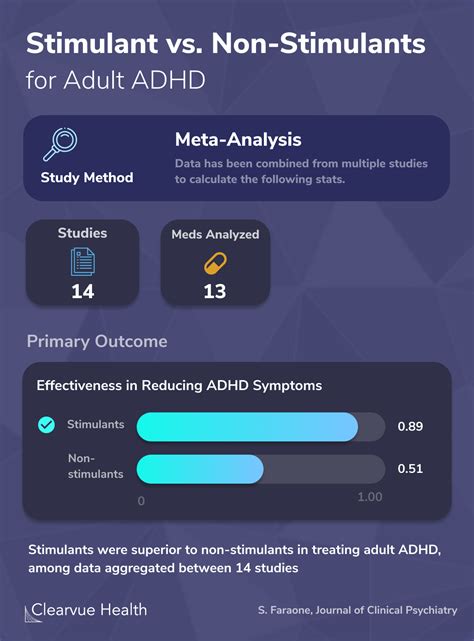
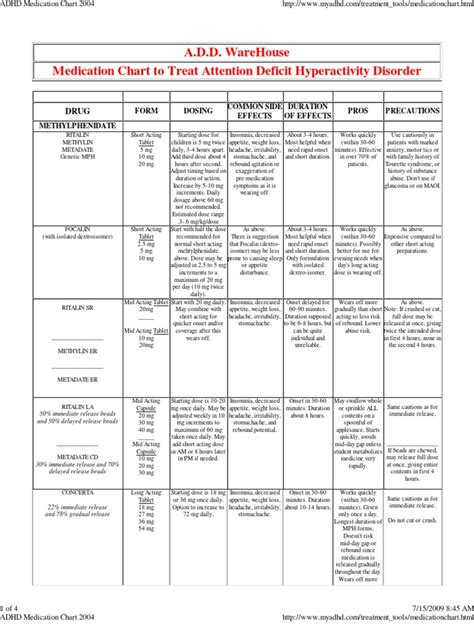
For ADHD, stimulant medications, such as methylphenidate (10-60 mg/day) and amphetamine (5-40 mg/day), are often prescribed. These medications work by increasing the levels of dopamine and norepinephrine in the brain, which helps improve attention and reduce impulsivity and hyperactivity. Non-stimulant medications, like atomoxetine (40-100 mg/day), can also be effective in managing ADHD symptoms. It is essential to note that medication should be used in conjunction with behavioral therapy and lifestyle modifications to achieve optimal results.
Key Considerations for Anxiety and ADHD Medication

When managing anxiety and ADHD with medication, several key considerations must be taken into account. First, it is crucial to monitor medication side effects, as they can impact treatment adherence and overall well-being. Common side effects of anxiety medications include drowsiness, dry mouth, and nausea, while ADHD medications may cause insomnia, appetite suppression, and increased anxiety. Second, medication interactions can occur, particularly when combining multiple medications or using them with other substances, such as alcohol or caffeine. Regular follow-up appointments with a healthcare provider are essential to adjust medication regimens as needed and minimize potential risks.
Key Points
- Anxiety and ADHD often co-occur, requiring a comprehensive treatment approach.
- Medications for anxiety and ADHD can be effective in managing symptoms, but must be used in conjunction with behavioral therapy and lifestyle modifications.
- Personalized treatment plans are essential, taking into account individual needs, medical history, and personal preferences.
- Regular monitoring of medication side effects and interactions is crucial to ensure safe and effective treatment.
- Lifestyle modifications, such as regular exercise, healthy eating, and stress management, can complement medication treatment and improve overall well-being.
Lifestyle Modifications for Anxiety and ADHD
In addition to medication, lifestyle modifications can play a significant role in managing anxiety and ADHD symptoms. Regular exercise, such as cardio and strength training, can help reduce stress and improve mood. A balanced diet rich in fruits, vegetables, whole grains, and lean proteins can provide essential nutrients for brain health. Stress management techniques, including mindfulness, meditation, and deep breathing, can help alleviate anxiety and improve focus. By incorporating these lifestyle modifications into daily routines, individuals can better manage their symptoms and improve overall quality of life.
| Lifestyle Modification | Potential Benefits |
|---|---|
| Regular Exercise | Reduced stress, improved mood, enhanced cognitive function |
| Healthy Eating | Improved nutrition, reduced inflammation, enhanced brain health |
| Stress Management | Reduced anxiety, improved focus, enhanced overall well-being |
What are the most common medications used to treat anxiety and ADHD?
+The most common medications used to treat anxiety and ADHD include SSRIs, benzodiazepines, SNRIs, and stimulants. However, the specific medication and dosage will depend on individual needs and medical history.
Can lifestyle modifications alone manage anxiety and ADHD symptoms?
+While lifestyle modifications can be beneficial in managing anxiety and ADHD symptoms, they are often most effective when used in conjunction with medication and behavioral therapy. A comprehensive treatment plan can help individuals achieve optimal results.
How can I minimize potential side effects and interactions when taking anxiety and ADHD medications?
+To minimize potential side effects and interactions, it is essential to follow the prescribed medication regimen, attend regular follow-up appointments with a healthcare provider, and disclose any changes in medical history or substance use.
Meta Description: Learn about the complex relationship between anxiety and ADHD, and how medication, lifestyle modifications, and behavioral therapy can be used to manage symptoms and improve overall well-being.