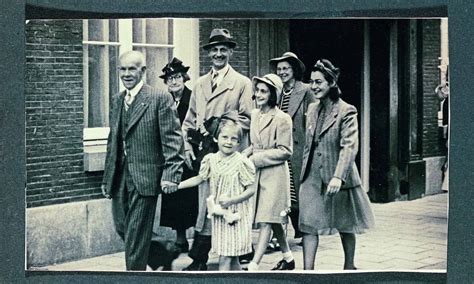
The story of Anne Frank and her family is one of the most well-known and poignant tales to emerge from the Holocaust. The Frank family's experiences during World War II have been extensively documented, thanks in large part to Anne's diary, which has become one of the most important and influential books of the 20th century. Here are five key facts about the Frank family:
Early Life and Background
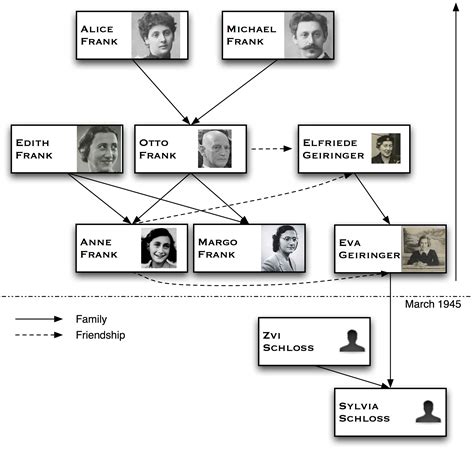
Anne Frank was born on June 12, 1929, in Frankfurt, Germany, to Otto and Edith Frank. Her father, Otto, was a successful businessman who had served in the German army during World War I. The family lived a comfortable life in Frankfurt until the rise of the Nazi party in the early 1930s. As anti-Semitic laws and regulations began to take effect, the Frank family, like many other Jewish families in Germany, faced increasing persecution and hardship.
Migration to Amsterdam
In 1933, Otto Frank moved his family to Amsterdam, Netherlands, in search of a safer and more welcoming environment. The Netherlands had a reputation for being a tolerant and accepting country, and the Frank family hoped to escape the growing anti-Semitism in Germany. Anne and her sister, Margot, settled into their new life in Amsterdam, attending school and making friends with other children in the community.
| Family Member | Birthdate | Death Date |
|---|---|---|
| Otto Frank | May 12, 1889 | August 19, 1980 |
| Edith Frank | January 16, 1900 | January 6, 1945 |
| Anne Frank | June 12, 1929 | February or March 1945 |
| Margot Frank | February 16, 1926 | February or March 1945 |
Key Points
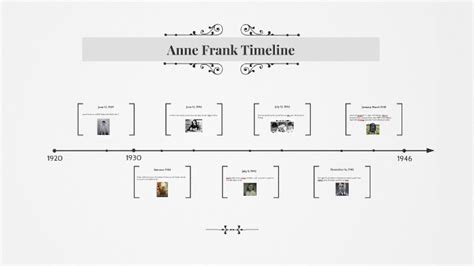
- The Frank family moved to Amsterdam in 1933 to escape anti-Semitic laws in Germany.
- Anne Frank was born on June 12, 1929, and began writing her diary in 1942.
- The family went into hiding in 1942, using a secret annex above Otto Frank's office building.
- The Frank family was betrayed and arrested by the Nazis in 1944, and Anne and her sister Margot were eventually sent to the Bergen-Belsen concentration camp.
- Otto Frank was the only member of the Frank family to survive the Holocaust, and he dedicated his life to promoting his daughter's diary and legacy.
The Secret Annex and Arrest

In 1942, the Nazi occupation of the Netherlands led to increased persecution of Jews, and the Frank family was forced to go into hiding. They used a secret annex above Otto Frank’s office building, where they lived in cramped and difficult conditions for over two years. During this time, Anne wrote extensively in her diary, documenting her daily life, thoughts, and feelings. The family’s hiding was eventually discovered by the Nazis in August 1944, and they were arrested and sent to concentration camps.
Concentration Camps and Death
Anne and her sister Margot were sent to the Auschwitz concentration camp, where they were subjected to forced labor, starvation, and brutal treatment. In October 1944, they were transferred to the Bergen-Belsen concentration camp, where they both died of typhus in February or March 1945, just a few months before the camp was liberated by Allied forces. Their mother, Edith, died in Auschwitz in January 1945. Otto Frank was the only member of the Frank family to survive the Holocaust, and he dedicated his life to promoting his daughter’s diary and legacy.
What was the significance of Anne Frank's diary?
+Anne Frank's diary is one of the most important and influential books of the 20th century, providing a personal and intimate account of life during the Holocaust. The diary has been translated into over 60 languages and has sold millions of copies worldwide, making it one of the best-selling books of all time.
How did the Frank family's experience reflect the broader Holocaust?
+The Frank family's experience reflects the broader Holocaust in many ways, including the persecution of Jews, the use of concentration camps, and the devastating impact on families and communities. The Frank family's story is a powerful reminder of the importance of promoting tolerance, acceptance, and human rights.
What is the legacy of the Frank family's story?
+The legacy of the Frank family's story is one of hope, resilience, and the importance of promoting human rights and dignity. The story has inspired countless people around the world, and has become a powerful symbol of the need to protect and promote the rights of all individuals, regardless of their background or identity.
Meta description: Learn about the Frank family’s experiences during World War II, including their life in hiding and the significance of Anne Frank’s diary.