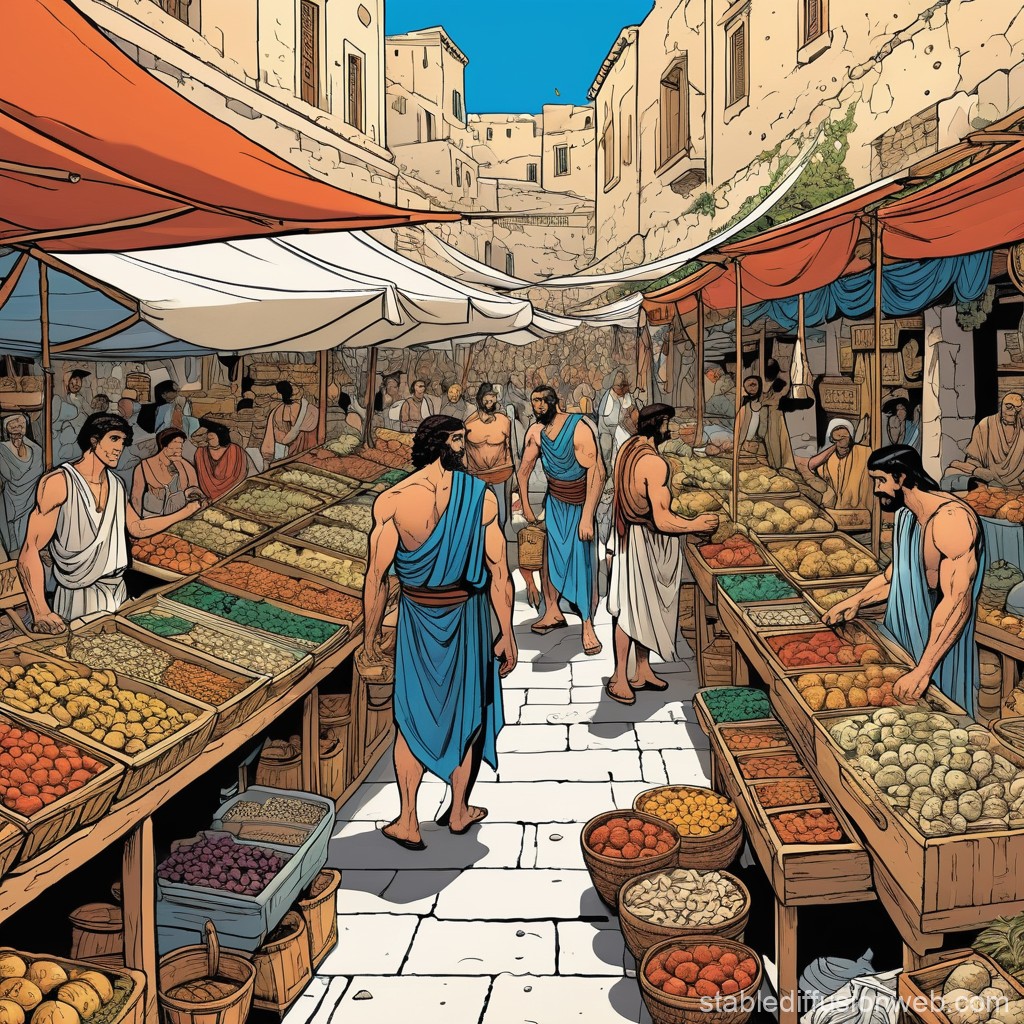
The ancient Greek marketplace, known as the agora, was the heart of the city, where citizens gathered to socialize, conduct business, and engage in political discussions. The agora was not just a place for commercial transactions, but a hub of community life, where people from all walks of life interacted and exchanged ideas. As a historian specializing in ancient Greek culture, I have always been fascinated by the significance of the agora in ancient Greek society. With a Ph.D. in Classics and over a decade of experience in researching ancient Greek history, I will delve into the history of the ancient Greek marketplace, exploring its evolution, functions, and impact on the community.
Origins and Evolution of the Agora
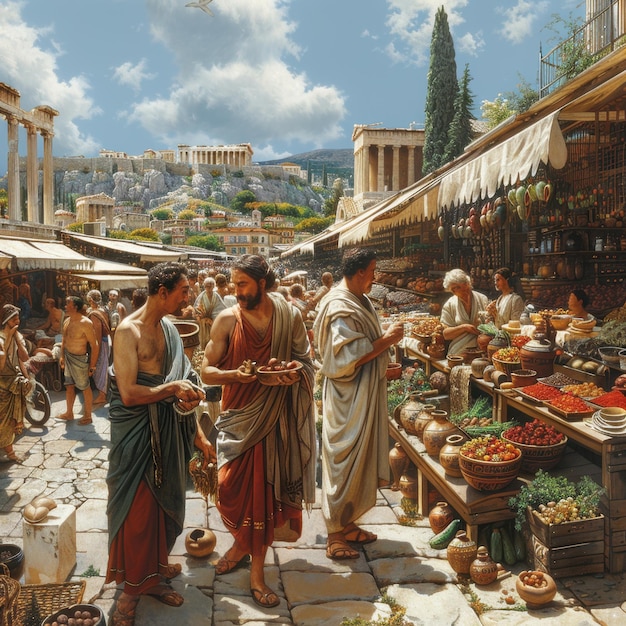
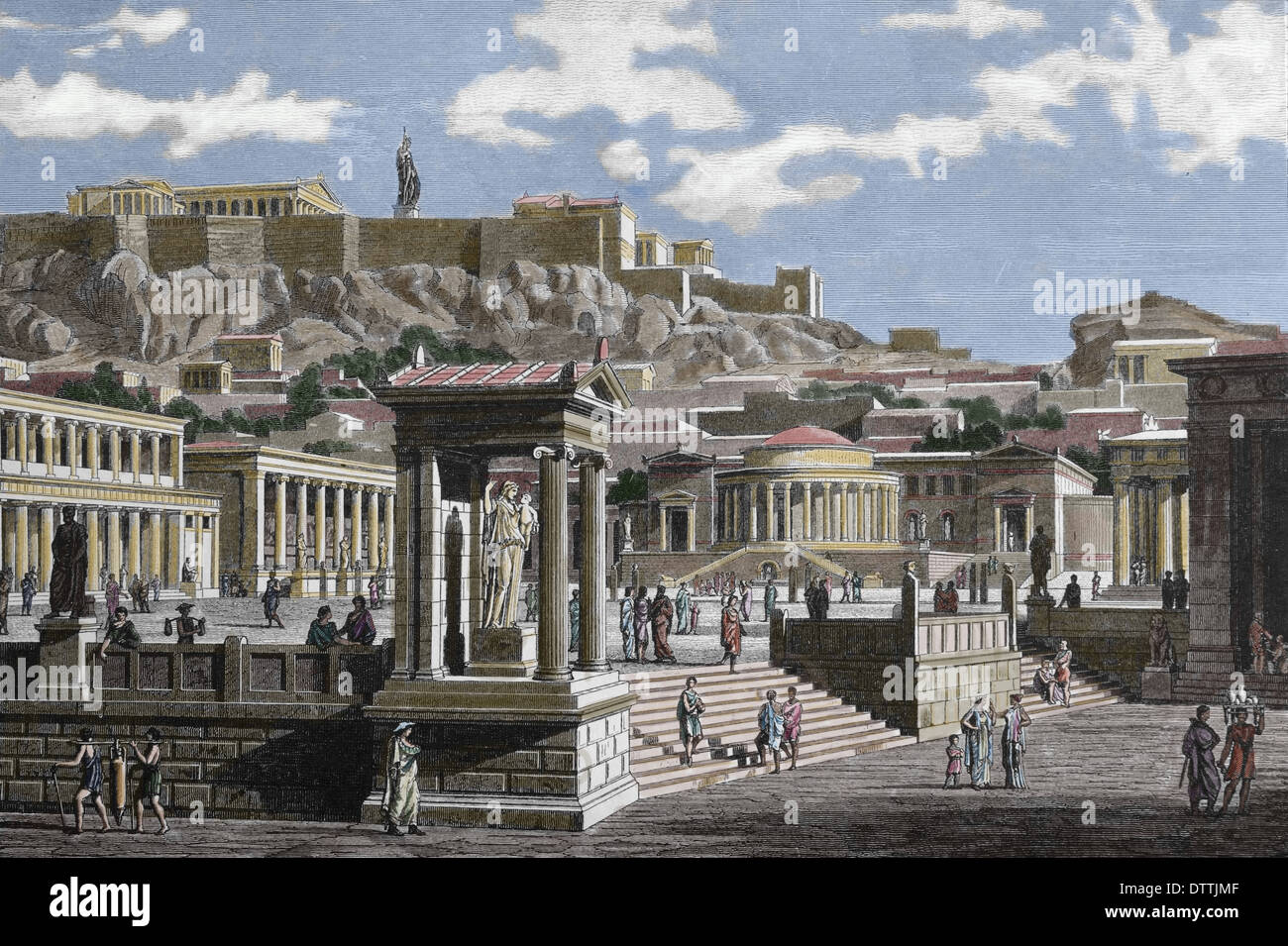
The concept of the agora dates back to the 8th century BCE, during the Greek Dark Ages. Initially, the agora was a simple open space where farmers and artisans would gather to sell their products. As cities grew and trade increased, the agora evolved into a more complex institution, with permanent buildings, such as stoas, temples, and public offices. The agora became a symbol of the city’s prosperity and a reflection of its cultural values. For instance, the agora in Athens was a major hub of activity, with the famous Stoa of Attalos, a public building that served as a center for philosophical discussions and debates. According to archaeological findings, the Stoa of Attalos was built in the 2nd century BCE, during the reign of King Attalos II of Pergamon, and featured a impressive facade with 45 Doric columns.
Functions of the Agora
The agora served multiple purposes, including commercial, social, and political functions. It was a place where merchants sold their goods, from fresh produce to handmade crafts. The agora was also a hub for socializing, where people would meet to discuss politics, philosophy, and the arts. In addition, the agora played a significant role in the city’s governance, as it was often the site of public gatherings, speeches, and debates. For example, the Athenian agora was where the famous statesman Pericles delivered his speeches, and where the philosopher Socrates engaged in discussions with his fellow citizens. According to historical records, Pericles’ speeches in the agora helped to shape the city’s foreign policy and cultural identity.
| Function | Description |
|---|---|
| Commercial | Selling goods, including fresh produce, handmade crafts, and other commodities |
| Social | Socializing, discussing politics, philosophy, and the arts |
| Political | Public gatherings, speeches, and debates |
Key Points
- The agora was a central institution in ancient Greek society, serving commercial, social, and political functions
- The agora evolved over time, from a simple open space to a complex institution with permanent buildings and public offices
- The agora played a significant role in the city's governance, as a site for public gatherings, speeches, and debates
- The agora was a hub for socializing, where people would meet to discuss politics, philosophy, and the arts
- The agora reflected the values and priorities of ancient Greek society, including community, commerce, and governance
Impact of the Agora on Ancient Greek Society
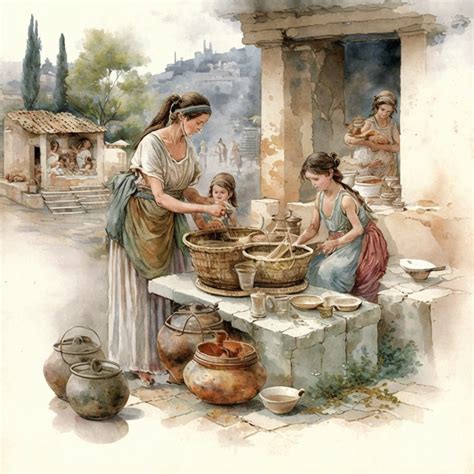
The agora had a profound impact on ancient Greek society, shaping the city’s culture, economy, and politics. The agora facilitated trade and commerce, which contributed to the city’s prosperity and growth. The agora also played a significant role in the development of democracy, as it provided a space for citizens to engage in public debates and discussions. Furthermore, the agora was a hub for cultural and intellectual activities, where philosophers, poets, and artists would gather to share their ideas and works. For example, the agora in Athens was where the famous poet Simonides of Ceos would recite his poems, and where the philosopher Aristotle would engage in discussions with his students. According to historical records, the agora in Athens was also a major center for the production and trade of ceramics, with many workshops and studios located in the area.
Legacy of the Agora
The legacy of the agora can be seen in the modern concept of the marketplace, where people gather to buy and sell goods, socialize, and engage in community activities. The agora also influenced the development of urban planning, as cities began to design public spaces that facilitated social interaction and community engagement. In addition, the agora’s emphasis on public discourse and debate has shaped the way we think about democracy and civic engagement today. For instance, the concept of the agora has been cited as an inspiration for modern public spaces, such as town squares and community centers, where people can gather to discuss and engage with their community.
| Legacy | Description |
|---|---|
| Modern Marketplace | The concept of the marketplace, where people gather to buy and sell goods, socialize, and engage in community activities |
| Urban Planning | The design of public spaces that facilitate social interaction and community engagement |
| Democracy and Civic Engagement | The emphasis on public discourse and debate, shaping the way we think about democracy and civic engagement today |
What was the significance of the agora in ancient Greek society?
+The agora was a central institution in ancient Greek society, serving commercial, social, and political functions. It was a place where citizens gathered to socialize, conduct business, and engage in public debates and discussions.
How did the agora evolve over time?
+The agora evolved from a simple open space to a complex institution with permanent buildings and public offices. As cities grew and trade increased, the agora became a more sophisticated institution, reflecting the city's prosperity and cultural values.
What was the impact of the agora on ancient Greek society?
+The agora had a profound impact on ancient Greek society, shaping the city's culture, economy, and politics. It facilitated trade and commerce, contributed to the development of democracy, and provided a space for cultural and intellectual activities.
Meta description suggestion: “Explore the history and significance of the ancient Greek marketplace, where citizens gathered to socialize, conduct business, and engage in public debates and discussions.” (149 characters)