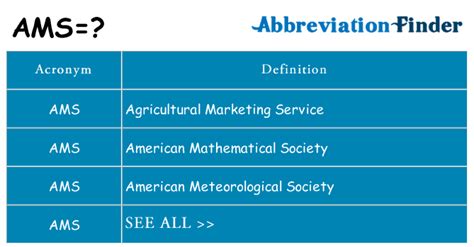
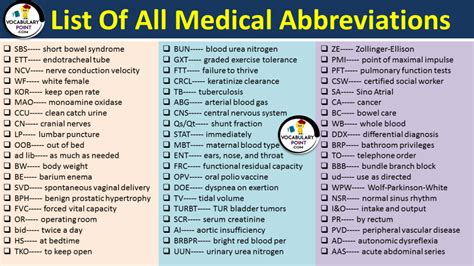
The medical field is replete with abbreviations, and one such abbreviation is "AMS," which can have multiple meanings depending on the context in which it is used. In medical terminology, "AMS" is often an abbreviation for "Acute Mountain Sickness," a condition that occurs when the body cannot adapt well to high altitudes, leading to a range of symptoms from mild to severe. This condition is of particular concern for individuals who ascend to high altitudes rapidly, as their bodies may not have sufficient time to acclimatize.
Understanding Acute Mountain Sickness (AMS)
AMS, or Acute Mountain Sickness, is a critical condition that can affect anyone who travels to high-altitude areas, regardless of their physical condition. The primary cause of AMS is the lower air pressure and lower oxygen levels at high elevations. When the body cannot adapt quickly enough to these changes, it can lead to a lack of oxygen to the body’s tissues, a condition known as hypoxia. The symptoms of AMS can range from mild to severe and include headache, nausea, fatigue, and shortness of breath. In severe cases, AMS can lead to more serious conditions such as high-altitude pulmonary edema (HAPE) or high-altitude cerebral edema (HACE), both of which are life-threatening and require immediate medical attention.
Prevention and Treatment of AMS
The prevention of AMS is primarily focused on gradual ascent to allow the body to acclimatize to the higher altitude. This means avoiding rapid ascents and including rest days in the itinerary to ascend. Additionally, staying hydrated, avoiding overexertion, and considering the use of acetazolamide, a medication that can help the body acclimatize to high altitudes, are recommended preventive measures. For the treatment of AMS, descent to a lower altitude is the most effective measure. However, if descent is not immediately possible, resting at the current altitude, using supplemental oxygen, and administering medications such as nifedipine for HAPE or dexamethasone for HACE can help alleviate symptoms until medical help is available.
| AMS Severity Levels | Symptoms |
|---|---|
| Mild AMS | Headache, fatigue, nausea |
| Moderate AMS | Increased severity of mild symptoms, shortness of breath |
| Severe AMS | Confusion, inability to walk, severe shortness of breath |
Key Points
- AMS stands for Acute Mountain Sickness, a condition caused by the body's inability to adapt to high altitudes.
- Symptoms of AMS can range from mild to severe and include headache, nausea, fatigue, and shortness of breath.
- Prevention of AMS involves gradual ascent, staying hydrated, avoiding overexertion, and considering the use of acetazolamide.
- Treatment of AMS includes descent to a lower altitude, resting, using supplemental oxygen, and administering specific medications for severe cases.
- Early recognition of AMS symptoms and prompt action are critical in preventing severe outcomes.
In conclusion, while AMS is a serious condition, understanding its causes, symptoms, and preventive measures can help individuals enjoy high-altitude activities safely. It's essential to approach high-altitude travel with knowledge and caution, recognizing the signs of AMS early and taking appropriate action to ensure a safe and enjoyable experience.
What is the primary cause of Acute Mountain Sickness (AMS)?
+The primary cause of AMS is the body’s inability to adapt to the lower air pressure and lower oxygen levels at high elevations, leading to hypoxia.
How can I prevent AMS when traveling to high-altitude areas?
+Prevention of AMS involves gradual ascent, staying hydrated, avoiding overexertion, and considering the use of acetazolamide. It’s also recommended to consult with a healthcare professional before traveling to high-altitude areas.
What are the symptoms of severe AMS, and what should I do if I or someone I know is experiencing them?
+Symptoms of severe AMS include confusion, inability to walk, and severe shortness of breath. If you or someone you know is experiencing these symptoms, it’s crucial to descend to a lower altitude immediately and seek medical help. Supplemental oxygen and specific medications may be administered until medical help is available.