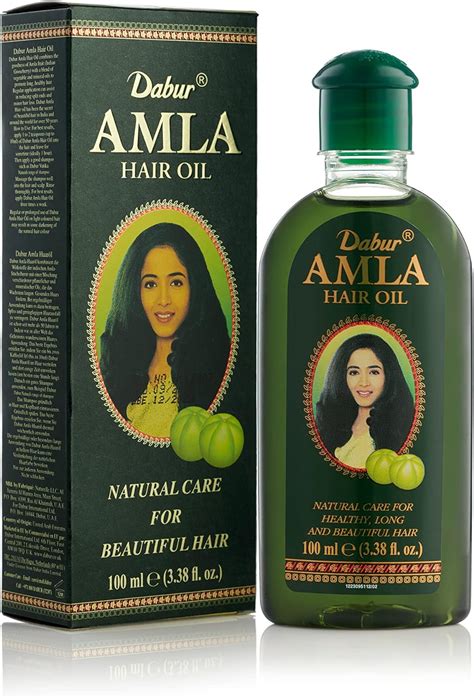
Amla hair oil, also known as Indian gooseberry oil, has been a cornerstone of traditional Ayurvedic hair care for centuries. The amla fruit, rich in vitamins, minerals, and antioxidants, is considered a potent ingredient for promoting healthy hair growth, improving scalp health, and enhancing the overall appearance of hair. In this article, we will delve into the benefits, preparation methods, and application techniques of amla hair oil, as well as explore its scientific basis and potential limitations.
Benefits of Amla Hair Oil

Amla hair oil is renowned for its multifaceted benefits, which can be attributed to the rich nutritional profile of the amla fruit. Some of the key advantages of using amla hair oil include:
- Nourishment and Moisturization: Amla oil is an excellent source of essential fatty acids, vitamins, and minerals, which help to nourish and moisturize the hair and scalp, leaving them soft, smooth, and healthy-looking.
- Promoting Hair Growth: The oil’s high concentration of antioxidants, particularly vitamin C, helps to promote hair growth by enhancing blood flow to the scalp, strengthening hair follicles, and preventing damage caused by free radicals.
- Improving Scalp Health: Amla oil’s antifungal and antibacterial properties make it an effective treatment for scalp conditions such as dandruff, itchiness, and flakiness, promoting a healthy environment for hair growth.
- Enhancing Hair Texture and Shine: Regular application of amla hair oil can improve hair texture, reduce frizz, and add shine, making it an excellent ingredient for hair care routines.
Preparation Methods and Application Techniques
There are several ways to prepare and apply amla hair oil, depending on individual preferences and hair types. Some common methods include:
- Carrier Oil Blend: Mixing amla oil with carrier oils like coconut, olive, or jojoba oil can help to dilute its potency and make it more suitable for different hair types.
- Hot Oil Treatment: Applying warm amla oil to the hair and scalp, followed by a gentle massage and a warm towel wrap, can help to deep condition and nourish the hair.
- Leave-In Treatment: Applying a small amount of amla oil to the ends of the hair, working it up towards the roots, can help to lock in moisture and protect the hair from damage.
| Ingredient | Quantity | Benefits |
|---|---|---|
| Amla Oil | 100ml | Nourishment, Hair Growth, Scalp Health |
| Coconut Oil | 50ml | Moisturization, Hydration |
| Olive Oil | 25ml | Antioxidant Properties, Hair Protection |

Key Points
- Amla hair oil is a rich source of vitamins, minerals, and antioxidants that promote healthy hair growth and improve scalp health.
- Regular application of amla hair oil can help to nourish and moisturize the hair, reducing frizz and adding shine.
- Amla oil can be prepared and applied in various ways, including carrier oil blends, hot oil treatments, and leave-in treatments.
- High-quality, cold-pressed amla oil is recommended for maximum benefits.
- Combining amla hair oil with a balanced diet and healthy lifestyle can help to promote overall hair health and well-being.
Scientific Basis and Potential Limitations
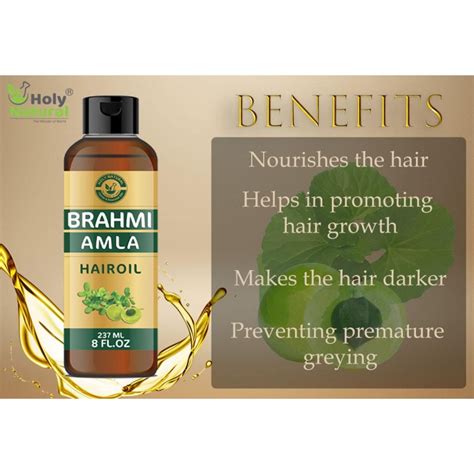
While amla hair oil has been used for centuries in traditional Ayurvedic hair care, its scientific basis and potential limitations are essential to consider. Some studies have shown that amla oil’s high antioxidant content can help to protect the hair from damage caused by free radicals, while its antifungal and antibacterial properties can help to prevent scalp conditions.
However, more research is needed to fully understand the effects of amla hair oil on human hair and scalp health. Additionally, individual results may vary, and amla hair oil may not be suitable for everyone, particularly those with sensitive skin or allergies.
What are the potential side effects of using amla hair oil?
+Potential side effects of using amla hair oil include skin irritation, allergic reactions, and interactions with other medications. It is essential to perform a patch test and consult with a healthcare professional before using amla hair oil, especially if you have sensitive skin or allergies.
Can amla hair oil be used on colored or chemically treated hair?
+Amla hair oil can be used on colored or chemically treated hair, but it is essential to perform a strand test before applying it to the entire head. Amla oil may help to nourish and moisturize the hair, but it may also affect the color or chemical treatment.
How often should I use amla hair oil for maximum benefits?
+The frequency of using amla hair oil depends on individual hair types and needs. Generally, applying amla hair oil 1-2 times a week can help to promote healthy hair growth and improve scalp health. However, it is essential to consult with a healthcare professional or Ayurvedic expert for personalized advice.
Meta Description: Discover the benefits and uses of amla hair oil, a traditional Ayurvedic ingredient for promoting healthy hair growth and improving scalp health. Learn how to prepare and apply amla hair oil, and explore its scientific basis and potential limitations.