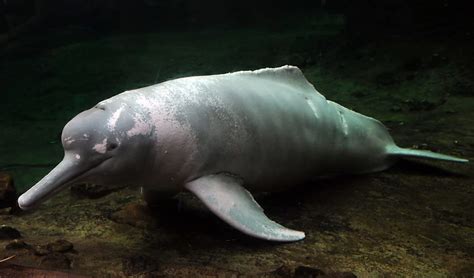
The Amazon River Dolphin, also known as the Pink River Dolphin, is a fascinating creature that inhabits the freshwater rivers and streams of the Amazon and Orinoco river basins in South America. As the largest freshwater dolphin in the world, it has garnered significant attention from scientists and animal enthusiasts alike. In this article, we will delve into five interesting facts about the Amazon River Dolphin, exploring its unique characteristics, behaviors, and the challenges it faces in its natural habitat.
Introduction to Amazon River Dolphins
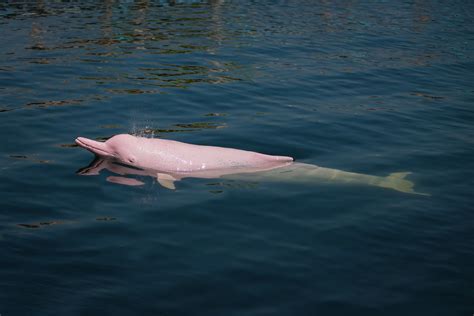
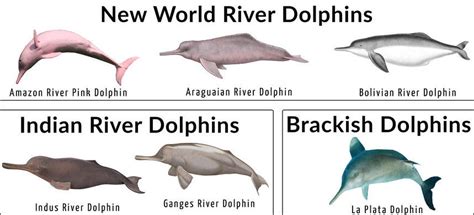
Amazon River Dolphins belong to the genus Inia and are part of the family Iniidae. There are three species of Amazon River Dolphins: the Amazon River Dolphin (Inia geoffrensis), the Bolivian River Dolphin (Inia boliviensis), and the Araguaia River Dolphin (Inia araguaiaensis). These dolphins are known for their distinctive pink color, which can range from a light grayish-pink to a deep pink, depending on the age and sex of the animal. They can grow up to 2.5 meters in length and weigh up to 250 kilograms, making them one of the largest freshwater dolphins in the world.
Key Points
- The Amazon River Dolphin is the largest freshwater dolphin, reaching lengths of up to 2.5 meters and weighing up to 250 kilograms.
- They have a unique pink color that can vary in intensity depending on age and sex.
- Amazon River Dolphins are found in the freshwater rivers and streams of the Amazon and Orinoco river basins in South America.
- They are carnivores and feed on a variety of fish, crustaceans, and other aquatic animals.
- These dolphins are threatened by habitat loss, pollution, and hunting, highlighting the need for conservation efforts to protect their populations.
Diet and Hunting Behavior
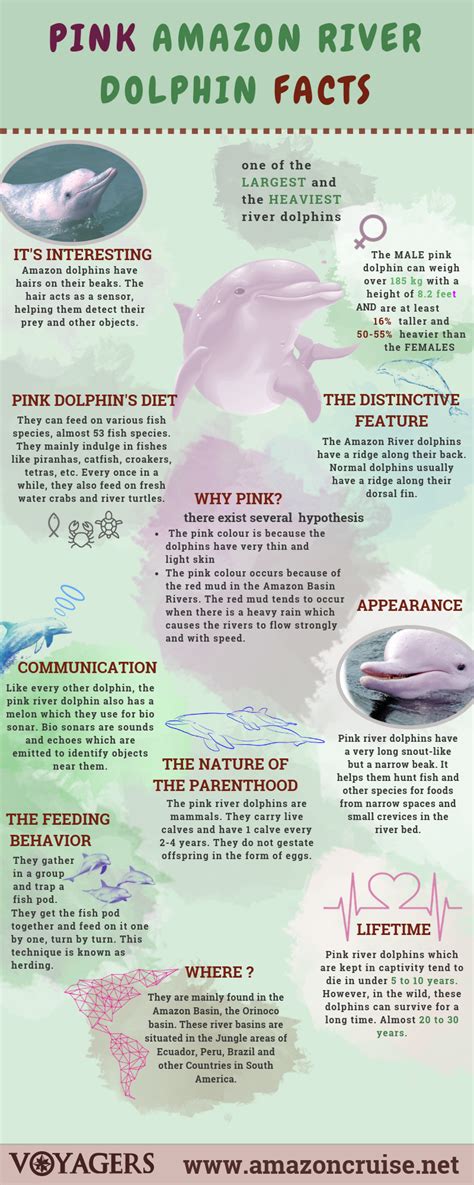
Amazon River Dolphins are carnivores and feed on a wide range of prey, including fish, crustaceans, and other aquatic animals. They have a unique hunting behavior, using echolocation to locate their prey in the murky waters of the Amazon River. Their diet consists mainly of fish, such as catfish and characins, as well as crustaceans like shrimp and crabs. They have also been known to feed on other aquatic animals, including turtles and caimans.
Unique Physical Characteristics
One of the most distinctive features of the Amazon River Dolphin is its pink color. This coloration is thought to be an adaptation to the dolphin’s environment, as it helps to camouflage them in the murky waters of the Amazon River. They also have a long, thin snout and a prominent melon, which is a fatty organ in the forehead that is used for echolocation. Their dorsal fin is triangular and curved, and they have a robust body that is well-suited to navigating the strong currents of the Amazon River.
| Physical Characteristic | Description |
|---|---|
| Length | Up to 2.5 meters |
| Weight | Up to 250 kilograms |
| Color | Pink, ranging from light grayish-pink to deep pink |
| Snout Shape | Long and thin |
| Dorsal Fin | Triangular and curved |
Conservation Status and Threats
Amazon River Dolphins are listed as vulnerable on the IUCN Red List, due to a range of threats including habitat loss, pollution, and hunting. The construction of dams and other infrastructure projects has led to the destruction of their habitats, while pollution from agricultural runoff and other human activities has contaminated their food sources. Hunting is also a significant threat, as Amazon River Dolphins are often caught in fishing nets or targeted by hunters for their meat and blubber.
Conservation Efforts
Efforts are being made to conserve Amazon River Dolphin populations, including the establishment of protected areas and the implementation of regulations to prevent hunting and pollution. Education and outreach programs are also being used to raise awareness about the importance of conserving these incredible creatures and their habitats. However, more needs to be done to address the scale and complexity of the threats facing Amazon River Dolphins, and to ensure the long-term survival of these amazing animals.
What is the average lifespan of an Amazon River Dolphin in the wild?
+The average lifespan of an Amazon River Dolphin in the wild is estimated to be around 20-30 years, although some individuals have been known to live up to 40 years.
What is the main threat to Amazon River Dolphin populations?
+The main threat to Amazon River Dolphin populations is habitat loss and degradation, due to the construction of dams, deforestation, and other human activities.
Are Amazon River Dolphins social animals?
+Yes, Amazon River Dolphins are social animals that live in small groups, typically consisting of 2-10 individuals. They have been observed engaging in a range of social behaviors, including play, grooming, and cooperative hunting.
In conclusion, the Amazon River Dolphin is a fascinating and unique creature that plays a vital role in its ecosystem. However, its populations are under threat from a range of human activities, highlighting the need for conservation efforts to protect these incredible animals. By learning more about the Amazon River Dolphin and the challenges it faces, we can work towards ensuring the long-term survival of this incredible species.