Automated External Defibrillators (AEDs) are portable, user-friendly devices designed to diagnose and treat life-threatening cardiac arrhythmias, including ventricular fibrillation and ventricular tachycardia. These devices are crucial in emergencies, as they can significantly improve the chances of survival when used promptly and correctly. For home use, AEDs are becoming increasingly popular, especially among families with a history of heart conditions or those who wish to be prepared in case of an emergency.
Benefits of Having an AED at Home
Owning an AED for home use can provide peace of mind, knowing that you have a device that can potentially save a life in the event of a cardiac emergency. The benefits include:
- Quick Response Time: In cardiac emergencies, every minute counts. Having an AED at home ensures that you can respond immediately, which is critical since the chances of survival decrease by about 10% with each passing minute after a cardiac arrest.
- User-Friendly Design: Modern AEDs are designed to be easy to use, with clear voice prompts and visual instructions that guide the user through the process of using the device. This makes them accessible to individuals without extensive medical training.
- Improved Survival Rates: Studies have shown that the use of AEDs can significantly improve survival rates for cardiac arrest victims. When used in conjunction with CPR, AEDs can increase the chances of survival by up to 50% or more, depending on the timeliness of the intervention and the underlying health of the victim.
Choosing the Right AED for Home Use
Selecting the appropriate AED for home use involves considering several factors, including the device’s features, maintenance requirements, and cost. Key considerations include:
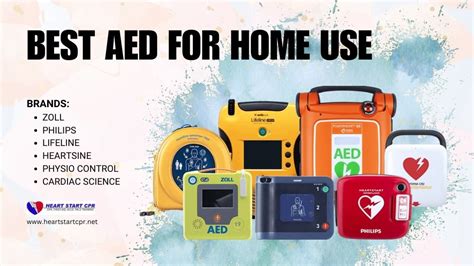
Device Features: Look for an AED that is FDA-approved, has clear instructions, and is designed for ease of use. Some AEDs come with additional features such as CPR feedback, which can help guide the user in providing effective chest compressions. Maintenance Requirements: AEDs require regular maintenance to ensure they are functioning properly. This includes checking the device’s battery and pads, which typically have expiration dates. Some AEDs have more straightforward maintenance procedures than others. Cost: The cost of an AED can vary significantly, from a few hundred dollars to over a thousand dollars, depending on the features and brand. It’s essential to balance the cost with the device’s features and your specific needs.| AED Model | Key Features | Price Range |
|---|---|---|
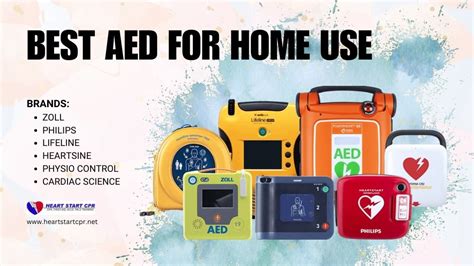
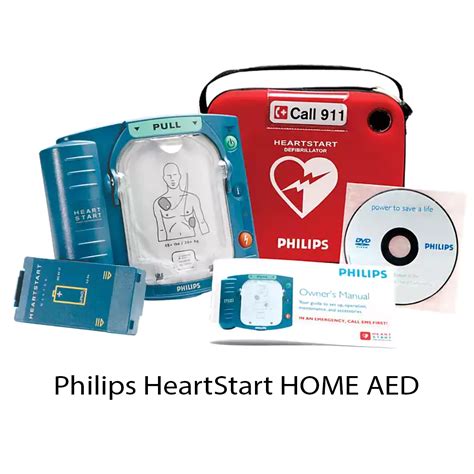
| Philips HeartStart Home | Compact, easy to use, voice prompts | $1,200 - $1,500 |
| Cardiac Science Powerheart G5 | Rescue Ready technology, CPR feedback | $1,500 - $2,000 |
| Zoll AED Plus | Real-time CPR feedback, durable design | $1,800 - $2,200 |
Key Points
- Importance of Prompt Action: In cases of cardiac arrest, the sooner an AED is used, the better the chances of survival.
- User Training: While AEDs are designed to be user-friendly, some training can help ensure that the device is used correctly in an emergency.
- Regular Maintenance: Ensuring the AED is properly maintained, with up-to-date pads and a functioning battery, is critical for its effectiveness.
- Cost Consideration: The cost of an AED should be weighed against its potential to save a life and the peace of mind it provides.
- Integration with Other Emergency Procedures: Knowing how to perform CPR and call emergency services is also vital in conjunction with AED use.
In conclusion, having an AED in the home can be a valuable investment for families, especially those with a history of heart conditions. By understanding the benefits, how to choose the right device, and the importance of maintenance and training, individuals can make informed decisions about AED ownership and use. Remember, the goal of an AED is to provide a lifesaving intervention in the critical minutes following a cardiac arrest, and its effectiveness is greatly enhanced when used in conjunction with proper training and other emergency response procedures.
How often should I inspect my AED to ensure it’s ready for use?
+It’s recommended to inspect your AED monthly to ensure the device is functioning properly, the battery is not expired, and the pads are within their usable lifespan. Additionally, after each use, the AED should be checked and maintained according to the manufacturer’s instructions.
Do I need to train my family members on how to use the AED?
+While AEDs are designed to be user-friendly, having some training can increase the confidence and effectiveness of the person using the device in an emergency. Many manufacturers and community centers offer AED and CPR training courses that can be beneficial for family members.
Can I use an AED on anyone, regardless of age or medical condition?
+AEDs are designed for use on individuals who are unresponsive and not breathing (or not breathing normally). They can be used on both adults and children, but it’s essential to follow the manufacturer’s guidelines and any specific instructions for pediatric use. For infants, special consideration and often different devices or pads are required.