The concept of the Adam and Eve family tree is rooted in biblical tradition, specifically in the book of Genesis, which tells the story of the first humans created by God. According to the biblical account, Adam and Eve were the first parents of humanity, and their story serves as the foundation for the Jewish, Christian, and Islamic faiths. The narrative of Adam and Eve has been interpreted in various ways throughout history, with some viewing it as a historical account and others as an allegorical or mythological story.
Genesis Account of Adam and Eve
The book of Genesis, chapters 2-5, provides the most detailed account of Adam and Eve’s story. According to Genesis 2:7, God formed Adam from the dust of the ground and breathed into him the breath of life. Later, God created Eve from one of Adam’s ribs while he was in a deep sleep (Genesis 2:21-22). The story of Adam and Eve’s disobedience to God’s command not to eat from the tree of knowledge of good and evil is well-known, as is the subsequent expulsion from the Garden of Eden (Genesis 3:1-24).
Descendants of Adam and Eve
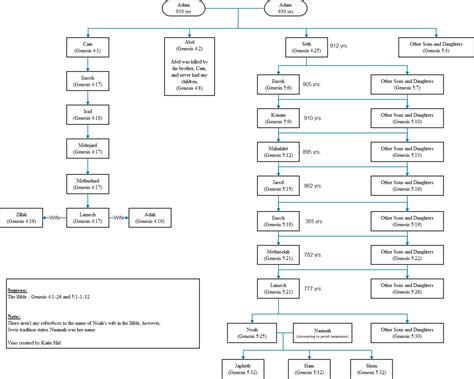
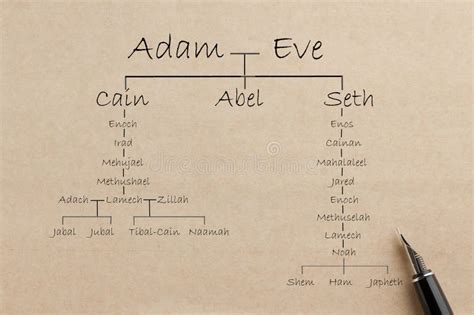
The biblical account provides a list of Adam’s descendants, starting with his sons Cain, Abel, and Seth. The genealogy in Genesis 5:1-32 lists the descendants of Adam through the line of Seth, including notable figures such as Enoch, Methuselah, and Noah. This genealogy serves as a bridge between the story of creation and the story of the flood, highlighting the theme of God’s relationship with humanity and the consequences of human disobedience.
| Descendant | Life Span (Years) |
|---|---|
| Adam | 930 (Genesis 5:5) |
| Seth | 912 (Genesis 5:8) |
| Enosh | 905 (Genesis 5:11) |
| Kenan | 910 (Genesis 5:14) |
| Mahalaleel | 895 (Genesis 5:17) |
| Jared | 962 (Genesis 5:20) |
| Enoch | 365 (Genesis 5:23-24) |
| Methuselah | 969 (Genesis 5:27) |
| Lamech | 777 (Genesis 5:31) |
| Noah | 950 (Genesis 9:29) |
Interpretations and Implications
The story of Adam and Eve has been subject to various interpretations throughout history. While some view it as a historical account, others see it as an allegory for the human condition, exploring themes such as free will, sin, and redemption. The concept of original sin, which is derived from the story of Adam and Eve, has played a significant role in Christian theology, emphasizing the idea that humanity is inherently flawed due to the disobedience of the first parents.
Cultural and Religious Significance
The Adam and Eve narrative has had a profound impact on Western culture and religion. It has influenced art, literature, and philosophy, with references to the story appearing in works from Milton’s “Paradise Lost” to contemporary literature and art. The story’s themes of creation, disobedience, and redemption continue to resonate with audiences today, making it a timeless and universal narrative.
Key Points
- The biblical account of Adam and Eve is found in the book of Genesis, chapters 2-5.
- Adam and Eve are considered the first parents of humanity, created by God.
- The story of their disobedience and expulsion from the Garden of Eden has been interpreted in various ways, including as a historical account, allegory, or mythological story.
- The genealogy provided in Genesis 5 lists the descendants of Adam through the line of Seth, including notable figures such as Enoch, Methuselah, and Noah.
- The concept of original sin, derived from the story of Adam and Eve, has played a significant role in Christian theology.
The story of Adam and Eve remains a foundational narrative in many religious traditions, offering insights into the human condition, the nature of sin and redemption, and the relationship between God and humanity. As a cultural and religious touchstone, it continues to inspire, challenge, and inform audiences around the world.
What is the significance of the Adam and Eve story in the biblical account?
+The Adam and Eve story serves as the foundation for the biblical narrative, introducing themes of creation, disobedience, and redemption that are central to the Jewish, Christian, and Islamic faiths.
How has the concept of original sin, derived from the Adam and Eve narrative, influenced Christian theology?
+The concept of original sin has played a significant role in Christian theology, emphasizing the idea that humanity is inherently flawed due to the disobedience of Adam and Eve, and thus in need of redemption through faith in Jesus Christ.
What is the cultural and religious significance of the Adam and Eve story beyond its biblical context?
+The Adam and Eve narrative has had a profound impact on Western culture and religion, influencing art, literature, philosophy, and continues to resonate with audiences today, exploring universal themes of creation, free will, and the human condition.