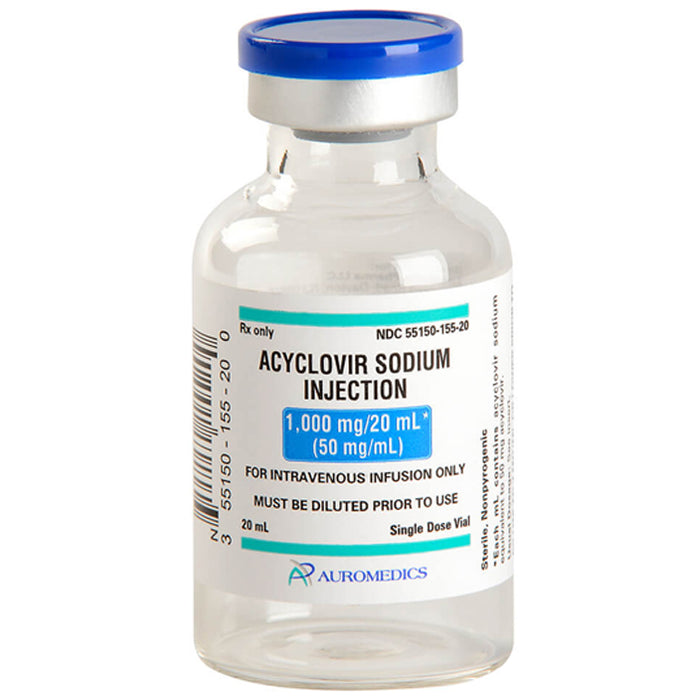
Acyclovir is an antiviral medication commonly used to treat viral infections, including herpes simplex virus (HSV) and varicella-zoster virus (VZV). When it comes to managing active outbreaks of genital herpes or cold sores, understanding the appropriate dosage of acyclovir is crucial for effective treatment and minimizing symptoms. The dosage of acyclovir can vary based on the severity of the outbreak, the patient's health status, and the specific formulation of the medication being used.
Key Points
- Acyclovir is prescribed for the treatment of HSV and VZV infections.
- The dosage for active outbreaks can vary from 200 mg to 800 mg, taken at specific intervals.
- It's essential to start treatment as soon as the first signs of an outbreak appear.
- Acyclovir can reduce the severity and duration of symptoms but does not cure the infection.
- Consultation with a healthcare provider is necessary to determine the most appropriate dosage and treatment duration.
Understanding Acyclovir Dosage
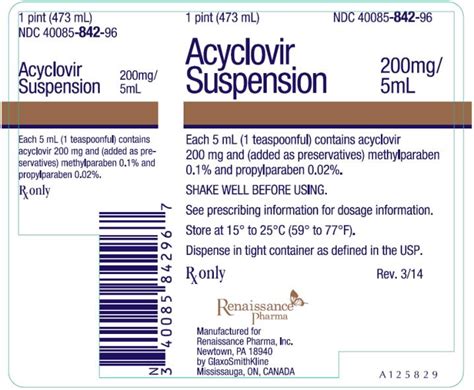
The dosage of acyclovir for an active outbreak is typically determined by the severity of the symptoms and the patient’s medical history. For genital herpes, the usual dosage for an initial outbreak is 200 mg taken five times a day for 10 days. For recurrent outbreaks, the dosage is often 200 mg taken five times a day for 5 days. In some cases, especially for more severe outbreaks, the dosage may be increased to 400 mg taken three times a day.
Dosage Considerations
It’s crucial to adhere to the prescribed dosage and treatment duration to ensure the effectiveness of the medication. Taking more than the recommended dose does not necessarily lead to better outcomes and may increase the risk of side effects. The dosage may need to be adjusted for patients with renal impairment, as acyclovir is primarily excreted through the kidneys.
| Condition | Recommended Dosage |
|---|---|
| Initial Genital Herpes Outbreak | 200 mg, 5 times a day for 10 days |
| Recurrent Genital Herpes Outbreak | 200 mg, 5 times a day for 5 days |
| Cold Sores (Herpes Labialis) | 200 mg, 5 times a day for 5 days |
Importance of Early Treatment
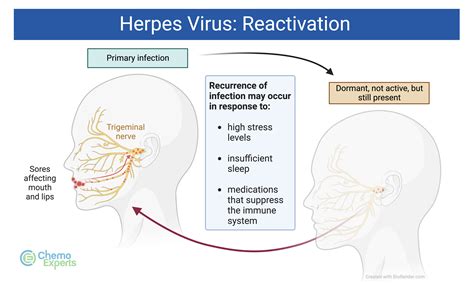
Early initiation of acyclovir treatment is vital for managing active outbreaks effectively. The medication works best when started at the first sign of an outbreak, ideally within 48 hours of symptom onset. Delaying treatment can reduce the effectiveness of acyclovir in alleviating symptoms and shortening the duration of the outbreak.
Side Effects and Precautions
While acyclovir is generally well-tolerated, it can cause side effects such as nausea, vomiting, diarrhea, and headache. In rare cases, more severe side effects can occur, including renal impairment and neurological effects. Patients should be aware of these potential side effects and discuss any concerns with their healthcare provider.
What is the most effective way to take acyclovir for an active outbreak?
+Acyclovir should be taken as directed by a healthcare provider, usually at the first sign of an outbreak. Adhering to the prescribed dosage and treatment duration is crucial for optimal effectiveness.
Can I stop taking acyclovir if my symptoms improve?
+No, it's essential to complete the full treatment course as prescribed by your healthcare provider, even if symptoms improve before finishing the medication. Stopping the treatment early can lead to incomplete recovery and potentially more severe future outbreaks.
How long does it take for acyclovir to start working?
+Acyclovir can start to alleviate symptoms within a few days of starting treatment. However, the full effect of the medication may take up to 5-7 days to be fully realized, depending on the severity of the outbreak and individual response to the treatment.
In conclusion, acyclovir is a highly effective medication for managing active outbreaks of herpes simplex virus and varicella-zoster virus. Understanding the appropriate dosage and the importance of early treatment initiation is crucial for maximizing the benefits of acyclovir and minimizing the severity and duration of symptoms. Always consult with a healthcare provider to determine the most suitable treatment plan tailored to individual needs and medical history.