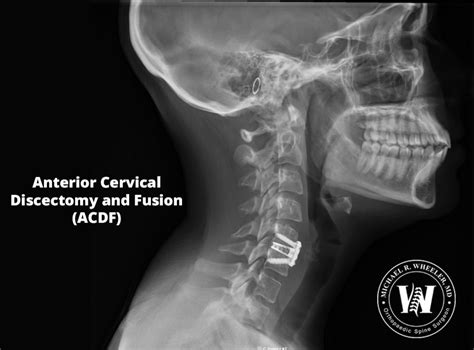
The medical abbreviation "ACDF" stands for Anterior Cervical Discectomy and Fusion. This is a surgical procedure performed to relieve spinal cord or nerve root pressure in the cervical spine (neck region) by removing a degenerative or herniated disc. The procedure involves two main steps: discectomy, which is the removal of the disc, and fusion, where the vertebrae above and below the disc are fused together using a bone graft and sometimes hardware like plates and screws.
Understanding the Procedure
ACDF is typically recommended for patients who have not found relief from conservative treatments such as physical therapy, medication, or injections. The decision to undergo an ACDF is based on the severity of symptoms, which can include pain, numbness, weakness, or tingling in the neck and arms, and confirmation through diagnostic tests like MRI or CT scans that a cervical disc is causing these symptoms.
Preparation and Risks
Before the surgery, patients usually undergo a series of tests to ensure they are healthy enough for the procedure. This includes blood tests, imaging studies, and sometimes cardiac evaluations. Like any surgery, ACDF carries risks and potential complications, including infection, bleeding, nerve damage, and problems with the bone graft. The risk of these complications is generally low, but it’s essential for patients to discuss these risks with their surgeon.
| Step of Procedure | Description |
|---|---|
| Discectomy | Removal of the herniated or degenerative disc. |
| Fusion | Fusing the vertebrae above and below the removed disc using a bone graft and sometimes hardware. |
| Recovery | Post-operative care, including rest, physical therapy, and follow-up appointments to monitor healing. |
Key Points
- ACDF is a surgical procedure for relieving pressure on the spinal cord or nerve roots in the cervical spine.
- The procedure involves removing a herniated or degenerative disc and fusing the adjacent vertebrae.
- Risks and complications can include infection, nerve damage, and problems with the bone graft.
- Proper post-operative care is essential for minimizing risks and ensuring successful recovery.
- Patients should discuss their specific condition, the procedure's details, and any concerns with their healthcare provider.
Post-Operative Care and Recovery
After an ACDF, patients typically spend a few hours in the recovery room before being discharged home. The recovery process can vary depending on the individual and the specifics of the surgery, but generally, patients are advised to rest, avoid heavy lifting, bending, or strenuous activities, and attend follow-up appointments with their surgeon. Physical therapy is often recommended to help regain strength and mobility in the neck and arms.
Long-Term Outcomes
Most patients experience significant improvement in their symptoms after an ACDF. However, the success of the surgery can depend on various factors, including the severity of the pre-operative condition, the patient’s overall health, and adherence to post-operative instructions. It’s also important for patients to have realistic expectations and understand that while ACDF can greatly alleviate symptoms, it may not completely eliminate all discomfort or limitations.
What are the common indications for an ACDF procedure?
+Common indications include herniated discs, degenerative disc disease, and spinal stenosis in the cervical spine, which cause symptoms like pain, numbness, or weakness in the neck and arms.
How long does it take to recover from an ACDF surgery?
+Recovery times can vary, but most patients can return to light activities within a few weeks and more strenuous activities within 2-3 months. Full recovery and fusion of the bone graft can take several months to a year or more.
What are the potential risks and complications of ACDF surgery?
+Potential risks include infection, bleeding, nerve damage, problems with the bone graft, and hardware failure. However, these risks are relatively low, and the procedure is generally considered safe and effective.
In conclusion, ACDF is a significant surgical procedure that can offer relief to patients suffering from cervical spine disorders. By understanding the procedure, its risks, and the recovery process, patients can make informed decisions about their care. As with any medical procedure, it’s essential to consult with a healthcare professional to discuss the specifics of the condition, the procedure, and what to expect.