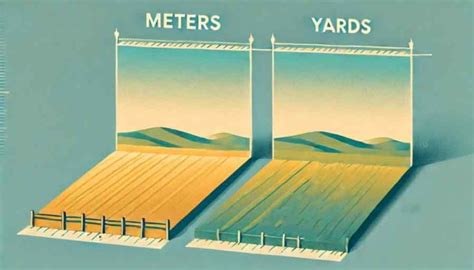
Converting distances between metric and imperial units is a common requirement in various fields, including sports, construction, and transportation. One of the most frequently needed conversions is from meters to yards, especially in track and field events where distances are often measured in meters but need to be understood in yards for comparison or informational purposes. The conversion from meters to yards is straightforward, with 1 meter equal to approximately 1.09361 yards. This conversion factor allows for the easy calculation of distances in one unit to the other.
Key Points
- The conversion factor from meters to yards is approximately 1.09361 yards per meter.
- To convert meters to yards, multiply the distance in meters by the conversion factor.
- Understanding the conversion is crucial for comparing performances or distances in different units.
- Online tools and calculators can simplify the conversion process but understanding the underlying conversion factor is essential for quick estimations.
- Conversions between metric and imperial units are common in international events, trade, and everyday applications.
Understanding the Conversion Factor
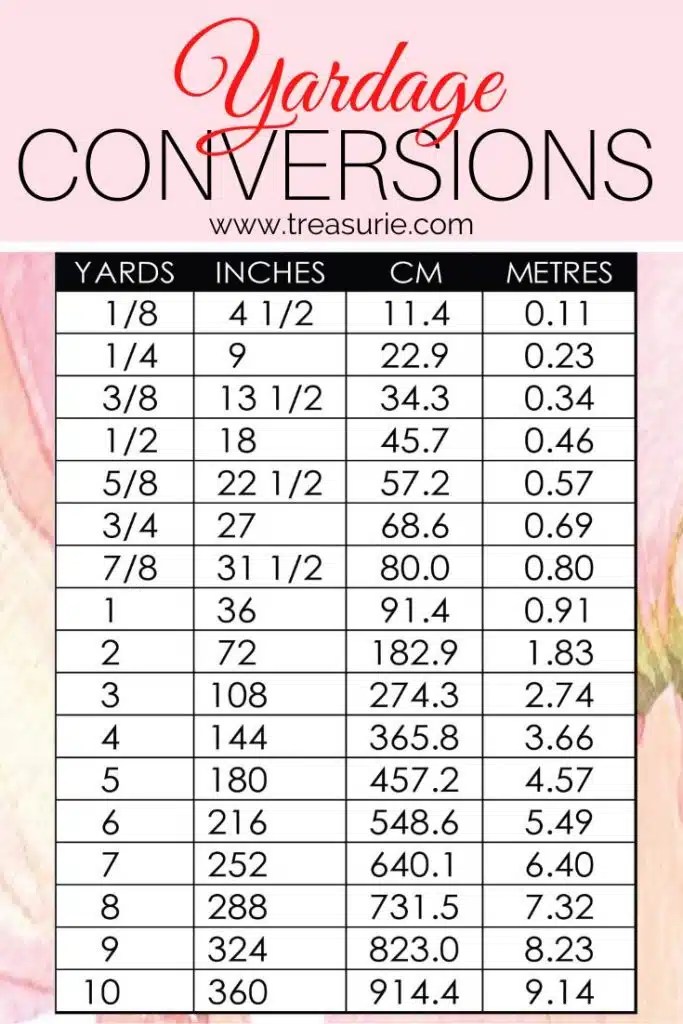
The precise conversion factor of 1 meter to yards is 1.0936132983377 yards, but for most practical purposes, 1.09361 yards is used. This factor is derived from the definition of the meter and the yard. Historically, the yard was defined as the distance from the center of the king’s nose to the center of his outstretched hand, but it is now standardized as exactly 0.9144 meters. The meter, on the other hand, is defined as the distance light travels in a vacuum in 1⁄299,792,458 of a second. The conversion between these two units reflects the different historical and modern definitions of length measurement.
Practical Applications of the Conversion
In practical terms, converting 100 meters to yards involves multiplying 100 by the conversion factor (1.09361 yards per meter). This calculation yields approximately 109.36 yards. This conversion is particularly relevant in sports, where the 100-meter dash, for example, is a standard track event. Knowing that this distance is equivalent to about 109.36 yards can help in understanding the performance in a more familiar unit for some audiences.
| Distance in Meters | Distance in Yards |
|---|---|
| 100 meters | approximately 109.36 yards |
| 50 meters | approximately 54.68 yards |
| 200 meters | approximately 218.72 yards |
Using Conversion Tools and Calculators
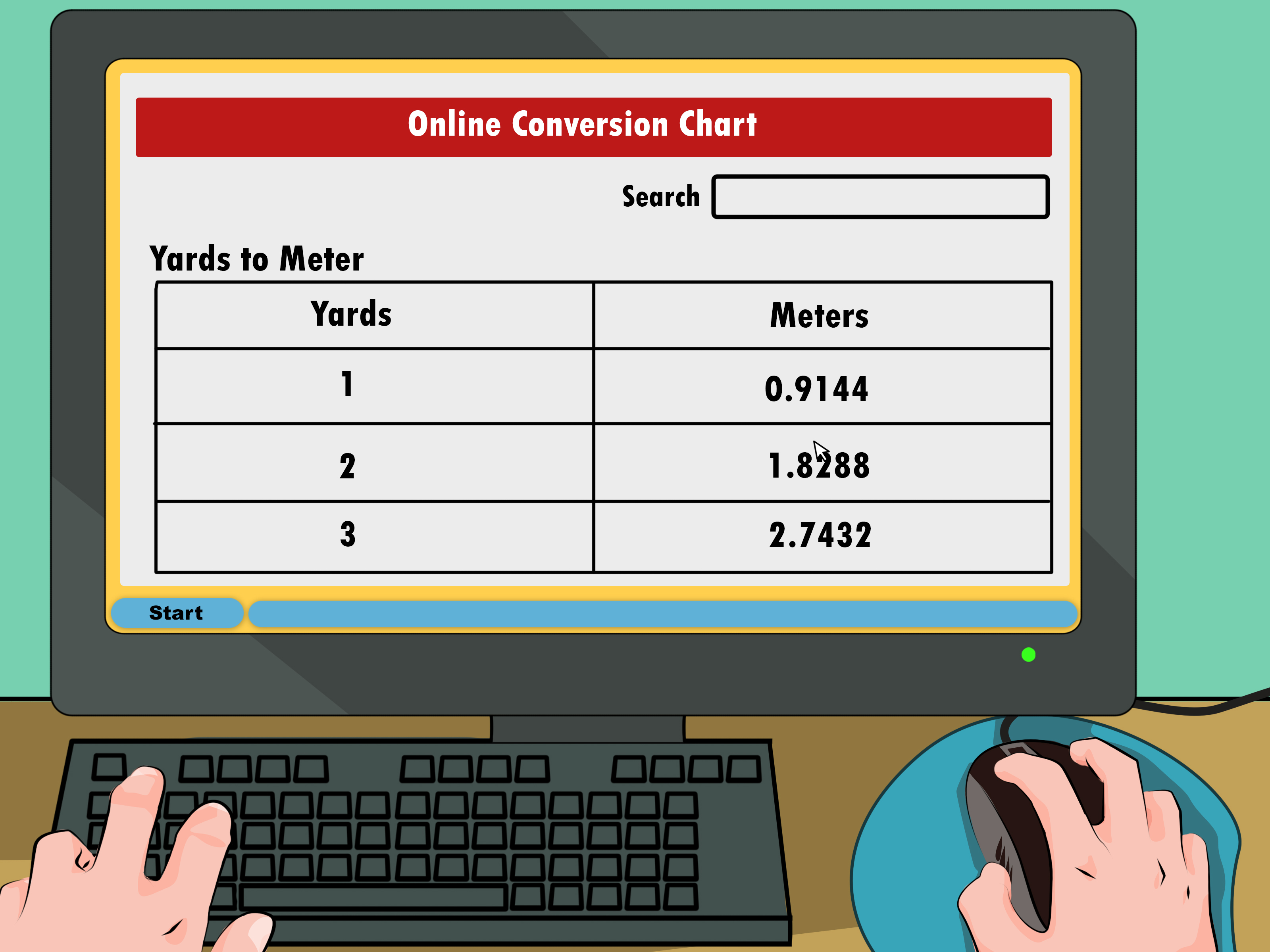
While the conversion from meters to yards can be done manually with a calculator, there are also numerous online tools and converters that can simplify the process. These tools often allow for the conversion of multiple units simultaneously and can be very useful for quick estimations or when dealing with complex conversions involving multiple units. However, for simple conversions like meters to yards, understanding the conversion factor and being able to apply it manually can be beneficial for quick estimations and deeper understanding of the relationship between these units.
Future of Unit Conversions
As technology advances, the need for manual conversions decreases, but the importance of understanding the underlying principles of unit conversion remains. In an increasingly globalized world, the ability to convert between different units of measurement (whether it be length, weight, or volume) is essential for communication, trade, and international cooperation. The conversion from meters to yards, while simple, is a fundamental aspect of this broader need for unit conversion understanding.
What is the conversion factor from meters to yards?
+The conversion factor is approximately 1.09361 yards per meter.
How do I convert 100 meters to yards?
+Multiply 100 meters by the conversion factor (1.09361 yards per meter) to get approximately 109.36 yards.
Why is understanding unit conversions important?
+Understanding unit conversions is crucial for international communication, trade, and comparison of measurements across different systems.
In conclusion, converting distances from meters to yards is a straightforward process that requires understanding the conversion factor and being able to apply it. Whether for sports, construction, or everyday applications, the ability to convert between these units can provide valuable insights and facilitate communication across different measurement systems. As the world becomes increasingly interconnected, the importance of unit conversions will only continue to grow, making it a fundamental skill for anyone working or communicating across international boundaries.